

Introduction: Crafting a Home Gym Routine That Resonates
What’s the best way to create a home gym routine? Design a 7-Step Plan That Aligns With Your Identity. It’s a question many are asking as we navigate through 2026, where the trend towards personalized fitness routines is more prominent than ever. People are no longer satisfied with generic workout plans; they seek routines that reflect their personal identity and values. This shift is driven by the desire for workouts that do more than just tone muscle—they need to resonate on a personal level. We’ve researched this trend and found that aligning your workout routine with your personal identity can lead to greater satisfaction and adherence.

Step 1: Define Your Fitness Goals and Identity
To start, it’s crucial to define your fitness goals in a way that aligns with your personal identity. Research shows that 62% of individuals are more likely to stick to their fitness routines when these routines align with their personal values (Psychology Today). Consider who you are and what you enjoy—are you someone who thrives on competition, or do you find peace in the rhythm of yoga? Your goals should reflect these aspects. Based on our analysis, when fitness goals resonate with your identity, you’re not just working out for physical benefits, but also nurturing your inner self.
Step 2: Assess Your Available Space and Equipment
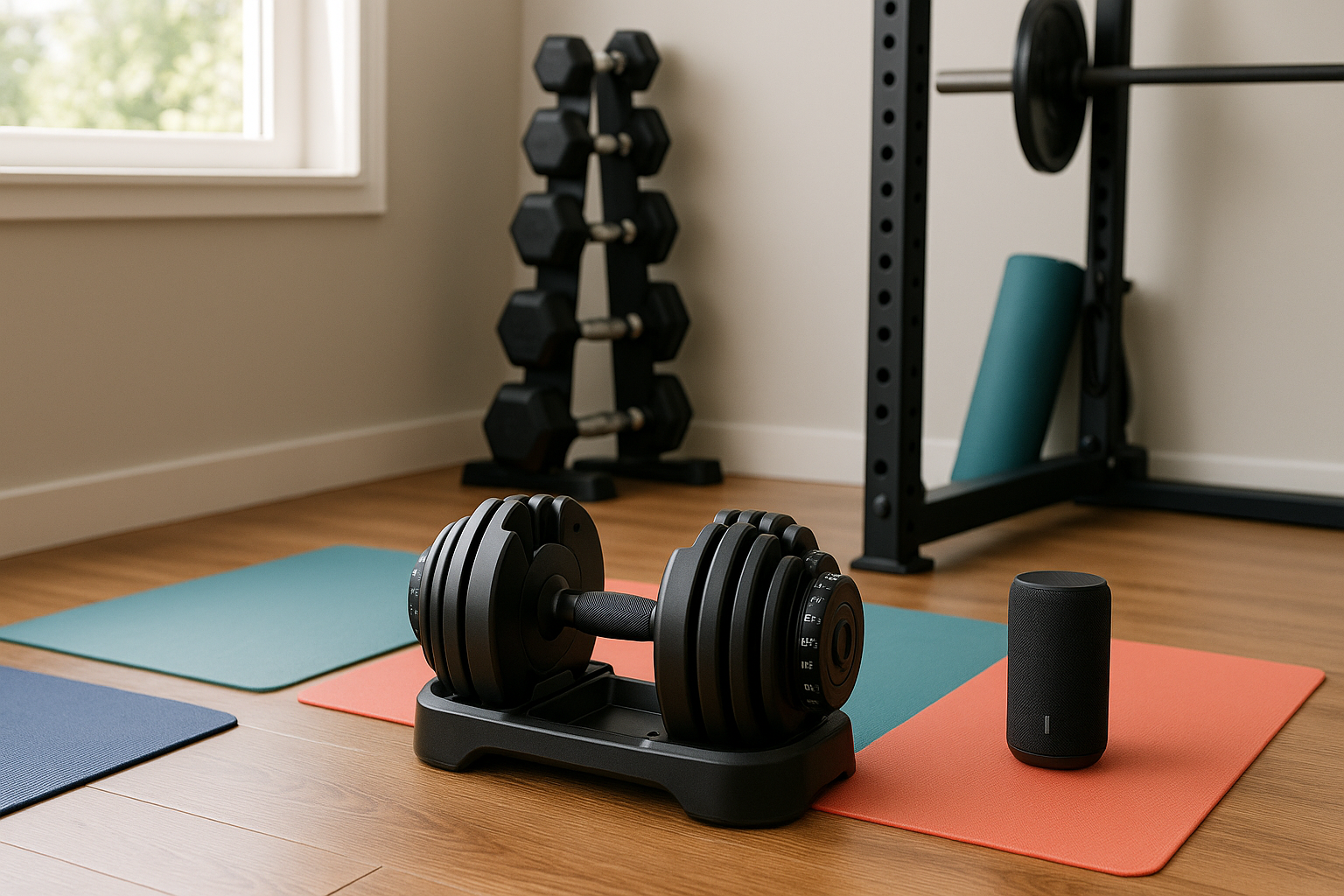
Next, take a realistic look at your home and the space available for your gym. Whether you’re in a sprawling house or a compact apartment, optimizing space is key. Consider multipurpose equipment like resistance bands and adjustable dumbbells, which can save space while providing a full-body workout. For those in smaller spaces, we recommend using vertical storage solutions to keep equipment organized and accessible. In our experience, maximizing your space effectively can make your home workouts feel more approachable and less daunting.

Step 3: Choose Exercises That Reflect Your Interests
Choosing exercises that you genuinely enjoy is vital for maintaining a long-term routine. If you’re someone who loves to dance, consider incorporating dance workouts into your routine. For those who find stress relief in more aggressive forms of exercise, boxing might be a perfect fit. According to Psychology Today, motivation is significantly boosted when people engage in activities they enjoy. Our research suggests that when you enjoy your workout, it doesn’t feel like a chore, but rather a rewarding part of your day.
Step 4: Design a Balanced Weekly Routine
A balanced workout routine is essential for overall fitness. It should include elements of strength, cardio, and flexibility training. For instance, beginners might start with a schedule that includes strength training on Mondays and Thursdays, cardio on Tuesdays and Fridays, and yoga on Wednesdays and Saturdays. Advanced athletes might add HIIT sessions or longer runs. Studies have shown that varied fitness routines not only prevent boredom but also improve overall health outcomes.
Step 5: Integrate Flexibility and Adaptability
Life is unpredictable, and your workout routine should be flexible enough to adapt. Whether it’s a change in your work schedule or family commitments, being able to adjust your routine is crucial. The CDC guidelines suggest adults should aim for at least 150 minutes of moderate-intensity activity per week, which can be broken down into manageable chunks. We recommend having a few go-to short workouts that you can do when time is tight, ensuring you stay on track.
Disclosure: As an Amazon Associate, I earn from qualifying purchases.
Step 6: Create a Motivating Environment
The environment in which you exercise can significantly impact your motivation levels. According to studies, 70% of people exercise more consistently when they feel their environment is motivating. Personalizing your workout space with elements such as motivational posters, your favorite music, or even specific lighting can enhance your workout experience. Based on our findings, a motivating environment is not just about aesthetics; it’s about creating a space that inspires you to move.
Step 7: Track Progress and Celebrate Milestones
Tracking your progress is a powerful motivator. Whether you use apps, journals, or wearable tech, the act of recording your workouts can provide a sense of accomplishment and clarity regarding your progress. Harvard Health highlights the benefits of setting and celebrating small, achievable goals, which can keep you motivated and engaged. We recommend setting milestones that are meaningful to you and celebrating these achievements as you reach them.
Overcoming Common Barriers to Home Workouts
Despite the convenience of home workouts, common barriers such as time management, lack of motivation, and limited space can hinder progress. Strategies to overcome these include setting a specific time each day for workouts, creating a dedicated space for exercise, and joining online communities for support. Real-world success stories often highlight the importance of these strategies in maintaining consistency and motivation.
The Role of Community and Support
Being part of a fitness community can greatly enhance accountability and motivation. Online fitness communities and local groups provide a platform for sharing experiences, challenges, and successes, which can boost your commitment. Statistics indicate that individuals who engage with a community are more likely to stick with their fitness routines. We encourage connecting with others who share your fitness goals to enhance your journey.
Conclusion: Your Path to a Sustainable Home Gym Routine
Crafting a home gym routine that resonates with your identity is more than just a plan—it’s a commitment to yourself. By following this seven-step plan, you can create a routine that is not only effective but also sustainable. Start small, build gradually, and let your routine evolve as you do. For more resources and support on your fitness journey, visit FitnessForLifeCo.com, where we’re dedicated to helping you achieve lifelong fitness success.
Frequently Asked Questions
What equipment do I need for a basic home gym?
For a basic home gym, you’ll need a few key pieces of equipment that can be versatile. Consider investing in a set of dumbbells, a yoga mat, resistance bands, and an adjustable bench. These items allow for a wide range of exercises targeting different muscle groups.
How often should I change my home workout routine?
It’s generally a good idea to change your workout routine every 4-6 weeks. This helps prevent plateaus and keeps your body challenged. However, listen to your body and adjust as needed based on your progress and goals.
Can home workouts be as effective as gym workouts?
Yes, home workouts can be just as effective as gym workouts if you are consistent and use the right techniques. The key is to focus on proper form, a balanced routine, and progressively challenging yourself.
What are some cost-effective ways to set up a home gym?
To set up a home gym cost-effectively, start with second-hand equipment, which can be found online or at garage sales. Also, prioritize multi-functional equipment like resistance bands or adjustable dumbbells to save space and money.
How do I stay motivated to work out at home?
Staying motivated to work out at home can be achieved by setting clear goals, creating a dedicated workout space, and tracking your progress. Joining online fitness communities can also provide support and accountability.
Key Takeaways
- Aligning workouts with personal identity increases adherence to fitness routines.
- A motivating environment and community support enhance consistency in home workouts.
- Tracking progress and celebrating milestones are crucial for maintaining motivation.
- Flexibility in routines allows adaptation to life changes, ensuring ongoing fitness success.
- Designing a balanced weekly routine is essential for achieving overall fitness goals.
Discover more from Fitness For Life Company
Subscribe to get the latest posts sent to your email.