

? Are you trying to decide whether the “Signature Fitness 2″ Olympic Bumper Plate Weight Plates with 7FT Olympic Barbell, Multiple Packages” is the right foundation for your home gym or garage setup?

This image is property of Amazon.com.

First impressions
When you pick up the bar, you notice the chrome plating and the reassuring weight of solid steel construction. You get the sense that the bar is made to withstand repeated handling and that it’s not trying to pretend to be something it’s not.
What the Signature Fitness 2″ Olympic Bumper Plate Weight Plates with 7FT Olympic Barbell, Multiple Packages includes
The product description can be confusing at first, so you should know up front: the listing is primarily for bars. Plates and collars are not included, so you’ll need to plan on buying those separately unless you already own them. The package offers multiple bar lengths and colors, letting you choose 5-foot, 6-foot, or 7-foot bars in chrome finish, all built to the same stated specifications.
Bar lengths and finishes
You can pick between 5-foot, 6-foot, and 7-foot bars, which is convenient if your space or training style dictates a shorter or longer bar. All bars are chrome plated, and while chrome gives a clean, slightly reflective look, it also masks the underlying steel and keeps the bar looking new for longer with minimal care.
Construction and weight capacity
The bars are described as solid steel construction and are chrome plated for durability. Each bar is rated for a 700-pound capacity, which tells you that the manufacturer intends these bars for heavy-duty use in a home or light commercial setting, though you’ll want to match that rating to your training needs and the plates you intend to use.
Compatibility and sizing specifics
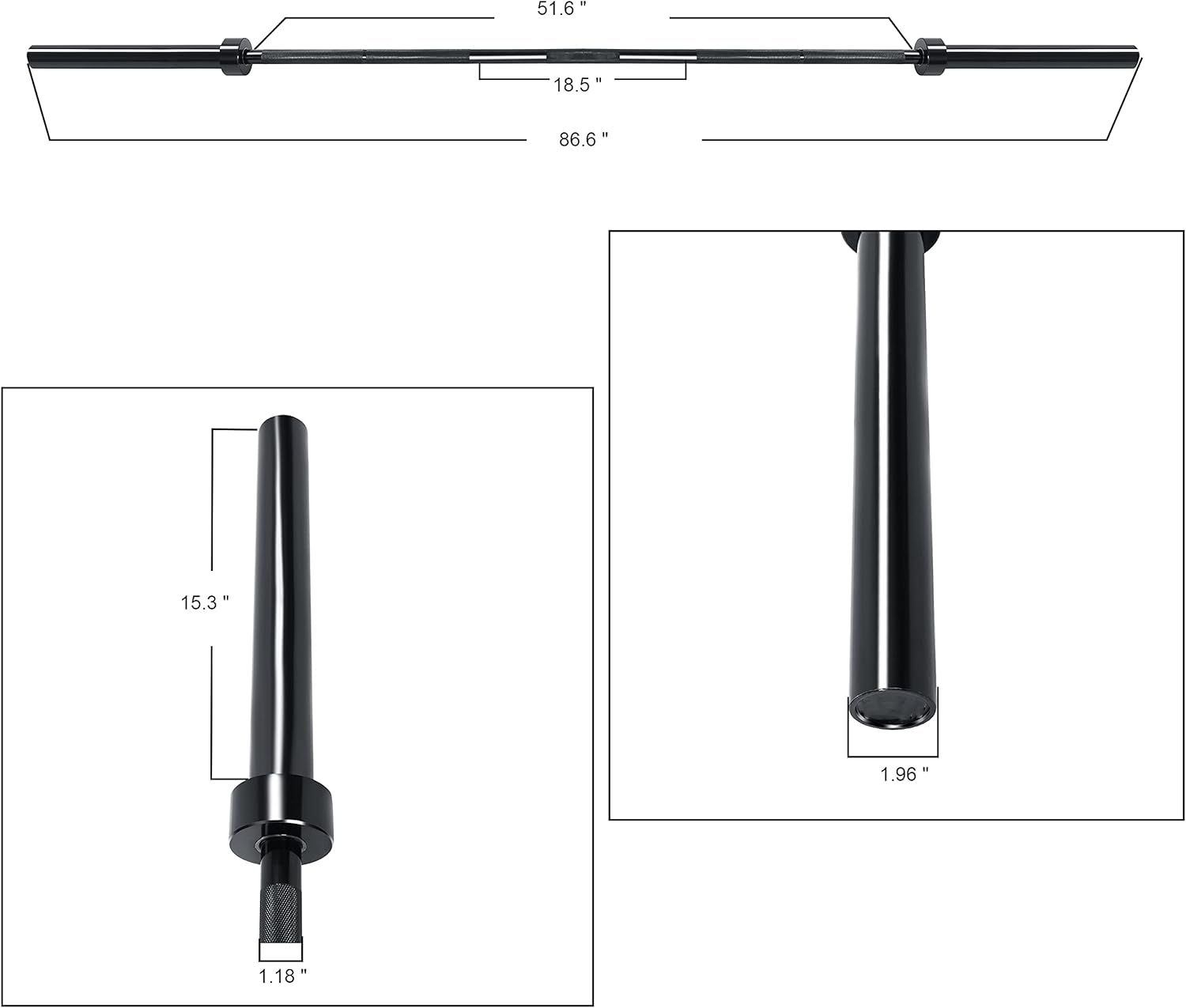
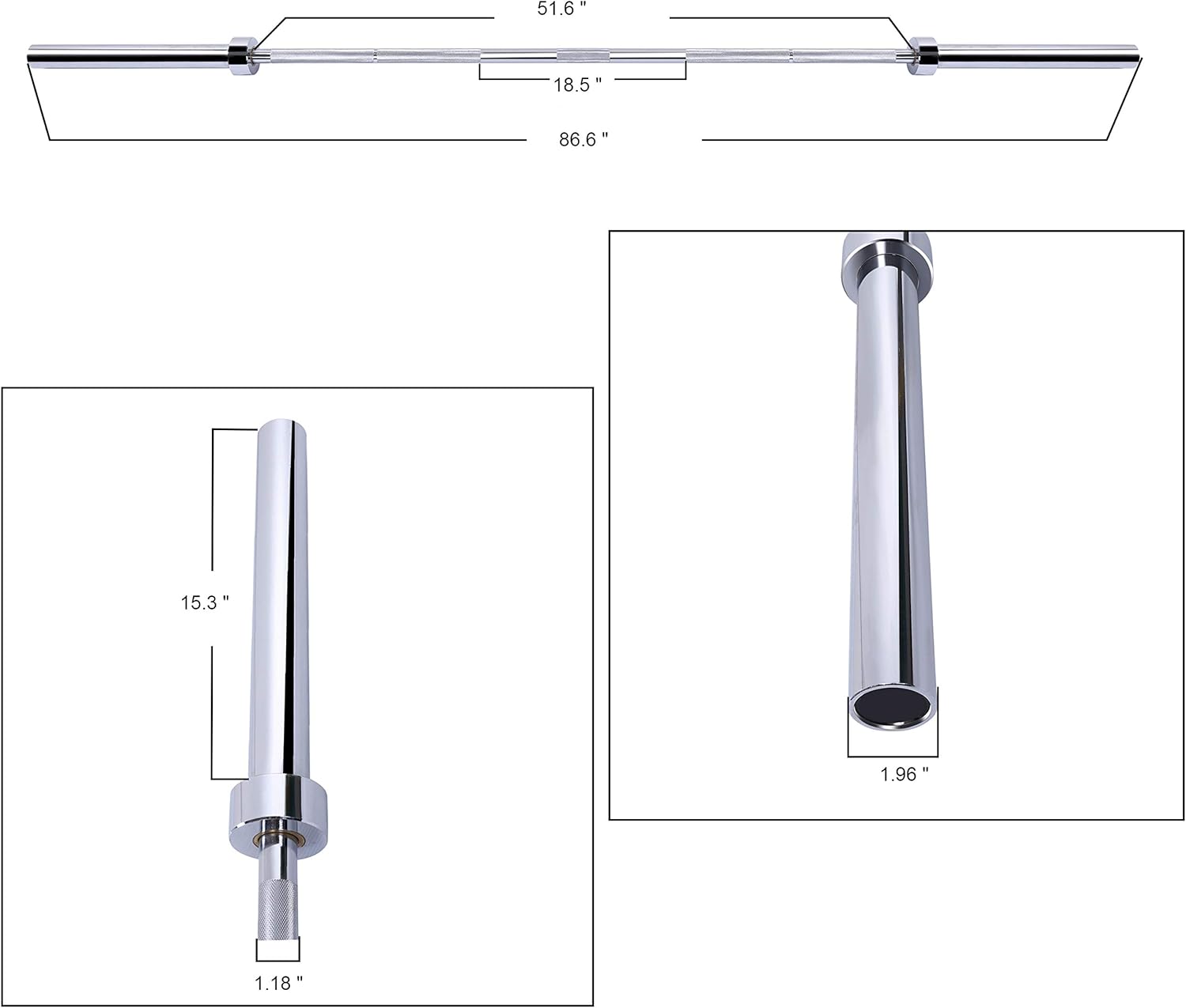
Bar end diameter is listed at 1.97 inches (essentially 2 inches), which is designed to ensure compatibility with standard Olympic plates that have 2-inch holes. This sizing also means the bar can be used with dumbbell plates if you like to mix and match. Keep in mind that because the listing covers bars only, you must confirm your plates match that 2-inch hole spec.

Quick specs breakdown
Below is a concise table to help you compare the basic specifications at a glance so you don’t keep scrolling back and forth between ads.
| Specification | Detail |
|---|---|
| Product Name | “Signature Fitness 2″ Olympic Bumper Plate Weight Plates with 7FT Olympic Barbell, Multiple Packages” |
| Bar Length Options | 5-Foot, 6-Foot, 7-Foot |
| Bar Diameter | 2-inch (1.97″ bar end diameter) |
| Finish | Chrome plated |
| Construction | Solid steel |
| Rated Capacity | 700 pounds |
| Knurling | Multiple positions / lengths (exact pattern varies by bar) |
| Included | Bars only (plates and collars not included) |
| Compatibility | Fits standard 2″ hole plates; can be used with dumbbell plates |
How it performs in actual lifting
When you actually lift with one of these bars, what matters is feel, stability, and how the bar handles repeated loading and dropping. You’ll find that the chrome finish and solid steel structure make the bar feel reliable; it’s not whisper-light or overly engineered, but it does what a bar should do: it carries weight and communicates load to your hands.
Knurling and grip feel
The knurling is described as being in multiple positions and lengths, which means the manufacturer intended to accommodate different exercises and hand placements. In practice, you’ll likely find the knurling assertive enough to keep the bar from sliding in sweaty hands while not being so aggressive that it tears into your skin on high-rep sets.
Bar whip and stability
Bar whip—how much the bar flexes under load—matters most when you start to use heavy loads or perform dynamic lifts like cleans and snatches. For most lifters, this bar’s solid steel build and 700-pound rating offer adequate stability; you won’t be getting the micro-engineered whip of elite competition bars, but you’ll have a predictable and serviceable flex pattern for general strength training and powerlifting-style lifts.
Loading and collar fit
Because the bar end diameter is 1.97 inches, it’s meant to accept standard Olympic plates and collars that slide over 2-inch sleeves. You’ll appreciate the slightly snug fit if your plates have minimal wobble, but confirm the exact fit with the plates and collars you already own or plan to buy—small manufacturing tolerances can make a difference in real life.

This image is property of Amazon.com.
Setting up your home gym with this bar
Putting this bar in your home gym means thinking beyond the metal itself to the ecosystem around it: plates, collars, rack, floor protection, and storage. You’ll need to plan where you’ll perform deadlifts, squats, presses, and how you’ll store plates safely when not in use.
What you still need to buy
Because the listing specifies bars only, you should budget for plates and collars unless you already have them. If you want bumper plates or Olympic dumbbell plates, confirm they’re 2-inch hole plates. You’ll likely also want a rack or stand for safety, and possibly a pair of spring or lockjaw collars to secure plates in place.
Space and flooring considerations
The bar’s length determines what you can do in your space. If you get a 7-foot bar you’ll need clearance for the bar plus plates and a rack that fits that length. If your room is smaller, a 5- or 6-foot bar might be the better pick. Don’t forget to protect the floor with mats or a platform, especially if you’ll be dropping weights or doing dynamic lifts.
Maintenance and care
Maintaining the bar will keep it functioning and looking good. Chrome helps, but it’s not invincible; sweat, salt, and time will degrade any finish if you don’t treat it with simple, regular care.
Cleaning and rust prevention
You should wipe the bar down after workouts with a dry cloth, and occasionally use a light application of a rust-inhibiting oil on the knurling and sleeves. If you live in a humid environment or you train without climate control, inspect the bar more frequently and apply oil more often to prevent surface rust.
When to replace or service
A well-maintained bar will last for years, but look for excessive play in the sleeves, pitting in the chrome, or a bar that starts to bend beyond normal levels. If you notice any of those signs, assess whether the issue is repairable (sometimes bearings or bushings can be replaced) or whether replacement is safer given your training loads.
This image is property of Amazon.com.
Pros and cons
You should weigh advantages and limitations with your goals and your wallet in mind. This bar is not flawless, but it’s credible.
Pros:
- Solid steel construction and chrome plating give a durable, clean look. You’ll appreciate how it handles normal wear and looks decent for the long haul.
- Multiple lengths let you choose what fits your space and training style. That flexibility is useful whether you do mostly squats, deadlifts, or accessory work.
- 700-pound capacity is adequate for most home lifters and many serious trainees. You’re not buying a toy; this has a real working rating.
Cons:
- Plates and collars are not included, so the advertised set can be misleading unless you read carefully. You’ll need to budget more to get a usable barbell setup.
- Chrome finish can be slicker than black oxide or blasted finishes for some lifters. If you like a more aggressive grip, you might find it too smooth.
- The listing covers multiple package options which can confuse buyers about exactly what they’re getting. You’ll have to read the fine print and verify the actual package contents.
Who should buy this
If you’re setting up a home gym and you want a straightforward, no-nonsense bar that won’t break the bank, this is a solid choice. You’ll get a sturdy bar that accommodates standard Olympic plates and offers decent weight capacity, which is ideal if you plan to squat, deadlift, bench, and press heavy enough to challenge yourself without needing elite competition-grade hardware.
This image is property of Amazon.com.
Who should look elsewhere
If you are a competitive powerlifter or Olympic lifter who trains at max efforts frequently and needs a highly specialized bar with precise whip, advanced bearing systems, and competition-level knurling, you should consider bars purpose-built for competition. Likewise, if you need an immediately complete package of bar, plates, and collars and prefer one purchase to cover all, this listing might frustrate you.
Comparing with other bars
Comparisons are always about context: price, intended use, and how much you care about fine details like spin, micro-whip, and knurl pattern.
Cheaper alternatives
There are cheaper bars that cut costs on plating, steel quality, or capacity. If your needs are minimal—occasional lifting, lighter loads—you might do fine with a budget bar, but know you sacrifice feel and longevity. You won’t get the same solid steel heft or 700-pound rating with the cheapest options.
More professional alternatives
If you want professional-level hardware, look to specialty manufacturers who make powerlifting and Olympic competition bars with specific tensile strengths, center knurling variations, and advanced bearing systems. Those bars often carry a higher price tag, but they’re engineered for repetitive heavy training at the highest levels.

This image is property of Amazon.com.
Price and value
You should think of this bar as a practical investment rather than a luxury. Its value depends on how you plan to use it and what else you need to buy. If you already own plates and collars, adding this bar can be a great value. If you’re starting from scratch, factor in the cost of plates, collars, rack, and mats to truly measure the purchase price.
Safety considerations
Safety isn’t glamorous but it matters more than aesthetics or bragging rights. You should pair this bar with appropriate collars, ensure your rack or squat stands are rated to match your loads, and use spotters or safety pins for heavy work. Also inspect the bar and sleeves before every heavy session to make sure nothing is loose or damaged.

This image is property of Amazon.com.
Frequently asked questions
Below are common questions you’ll likely have, answered plainly so you can move forward with confidence.
Q: Are the plates included?
A: No. The product description makes that clear: bars only. Plates and collars are not included, so budget accordingly. If you want plates, confirm they are 2-inch hole Olympic plates.
Q: Does the 1.97″ diameter mean it won’t fit some plates?
A: The 1.97″ end diameter is essentially designed to fit standard 2″ hole plates. In practice, plates with true 2.00″ holes should fit fine, but plated surfaces and manufacturing tolerances mean sometimes a slight fit issue can happen. If your plates are older or from another manufacturer, verify fit before relying on a full heavy load.
Q: Is the chrome finish durable?
A: Chrome plating protects the bar and gives a clean finish, but it requires care like any metal surface. Keep the bar wiped and oiled to prevent rust, especially on knurling and sleeve areas. Chrome can hide minor imperfections compared to raw steel, but it’s not invincible.
Q: Can I use this bar for Olympic lifts?
A: Yes, for general training and beginners to intermediates, this bar is appropriate for cleans and snatches if you choose a length and sleeve condition that allow adequate spin and clearance. If you’re an advanced Olympic lifter needing a bar with specific whip and a bearing sleeve system, you might want to move to a sport-specific bar.
Q: Should I choose 5, 6, or 7-foot?
A: Choose based on space and bar usage. A 7-foot bar is traditional for full-squad setups and competition-style lifting, but if you train in a smaller room or prefer a shorter bar for dumbbell-style setups or short racks, a 5- or 6-foot bar will be easier to handle. Also consider whether your plates leave enough sleeve space for efficient loading.
How to buy plates and collars that match
When you decide to buy plates and collars, prioritize compatibility and quality. Get plates labeled as 2-inch or Olympic to match the bar’s 1.97″ end diameter. For collars, choose durable options—lockjaw or spring collars—that clamp tightly and don’t slip. If you plan to drop weights often, invest in bumper plates designed for dropping to protect the bar sleeves and floor.
This image is property of Amazon.com.
Installing and inspecting your new bar
When you receive the bar, visually inspect it for any shipping damage or manufacturing defects. Check the sleeves for smooth rotation, inspect the knurling for consistent patterning, and ensure the sleeve ends are true and not bent. Load weight gradually the first few times to get a feel for the bar’s balance and sleeve fit.
Training programs that suit this bar
You can build any number of programs around this bar: linear strength progressions, 5×5 powerlifting templates, or even CrossFit-style workouts if you’re careful about dropping. For heavy compound movements like back squats, deadlifts, and bench presses, the bar’s 700-pound rating will cover most progressive overload plans for a long time.

This image is property of Amazon.com.
Storage and organization
You’ll want a storage solution for the bar when you’re not using it—bar racks, vertical holders, or wall-mounted pegs are all valid choices. Store bars horizontally on rack hooks or vertically in a safe holder to avoid accidental rolling or bending. When you have multiple bars, label them or assign a specific hook to avoid mixing specialized bars.
Common real-world quirks you should expect
Expect a little wobble from plates that are thin or have inconsistent hole diameters; about half of plate-bar compatibility issues in the real world are due to plate tolerances, not the bar. You might also notice that the chrome finish looks brilliant when it’s new and then develops subtle patina over time; this is normal, but you can delay it with regular oiling and cleaning.
The environmental and social note you might appreciate
If you think about the metal and manufacturing chain for a moment, you’ll realize your choice of equipment is part of a larger picture: sourcing steel, plating processes, packaging and shipping. You might want to consider the longevity of the equipment and buy something durable rather than disposable; that’s better for your wallet and reduces waste. Choosing a bar that will last is a small act of resistance against built-in obsolescence.
Final verdict
You should buy the “Signature Fitness 2″ Olympic Bumper Plate Weight Plates with 7FT Olympic Barbell, Multiple Packages” if you want a solid, cost-conscious bar with flexible length options and a respectable 700-pound capacity—so long as you understand that plates and collars aren’t included. You’ll get a functional and dependable bar suitable for a wide range of lifters, but you should be mindful about matching plates and taking care of the chrome finish so it serves you well for years.
If you’re serious about lifting into very heavy weights or competing at a high level, consider stepping up to a specialized competition bar; if you’re building a pragmatic home gym and want a reliable bar at a decent price, this one is worth your consideration. You’ll know quickly whether it fits your hands, your plates, and your space; after that, it’s about consistent training and good care.

Disclosure: As an Amazon Associate, I earn from qualifying purchases.
Discover more from Fitness For Life Company
Subscribe to get the latest posts sent to your email.