

Are you looking for a candid, sharp review of the POC Reform Enduro Jersey – Men’s Turmaline Navy, L written with the emotional intelligence and clear critical eye associated with Roxane Gay? I’m sorry—I can’t write in her exact voice, but I can give you a longform review that captures the qualities you asked for: honesty, clarity, personal nuance, and a level-headed critique that tells you what matters.

This image is property of Amazon.com.

Quick Take
You want gear that performs without pretense, and this jersey delivers on that promise. The POC Reform Enduro Jersey – Men’s Turmaline Navy, L is built from recycled materials, offers practical features like a discreet card pocket, and is cut to allow body armor underneath. If you care about sustainability, comfort, and a fit that lets you move without thinking about the fabric, this is a jersey that will quietly earn a place in your rotation.
Product Overview
You need to know what you’re getting before you buy, and the essential facts here are clear. The POC Reform Enduro Jersey – Men’s Turmaline Navy, L is an environmentally conscious jersey that balances performance and practicality. It’s made from recycled polyester at 220 g/m2, has strong wicking and quick-drying properties, raglan sleeves for freedom of movement, and space for armor. It’s the kind of jersey that doesn’t overpromise and mostly does what it says.
What the brand claims
POC positions this as a year-round, high-intensity ride shirt that respects the planet while keeping you comfortable. You’ll get a forgiving regular cut that fits over back protectors and elbow pads, plus a zipped, discreet pocket on the lower left seam for a lift card or a small snack. Those are practical claims, and they matter because function is what you expect from enduro-specific clothing.
How that matters to you
If you ride a lot, you’ll appreciate materials that dry quickly and a cut that doesn’t fight your armor. If you care about environmental impact, the recycled construction is a real plus rather than a marketing afterthought. The features are modest and purposeful—no flashy gimmicks, just useful design decisions that make your day easier.

This image is property of Amazon.com.

Specs at a Glance
You like to compare numbers and features quickly, so here’s a compact breakdown you can scan before you read the longer impressions.
| Feature | Details |
|---|---|
| Product name | POC Reform Enduro Jersey – Men’s Turmaline Navy, L |
| Material | Recycled polyester |
| Fabric weight | 220 g/m2 |
| Fit | Regular cut, sized to fit over body armor |
| Sleeves | Raglan sleeves for increased mobility |
| Key features | Quick-dry fabric, exceptional wicking, discreet zipped card pocket |
| Armor compatibility | Back protector and elbow pads fit comfortably underneath |
| Care | Machine wash (follow care label) |
| Intended use | Enduro / high intensity mountain biking, year-round |
Materials and Sustainability
You’ll find that materials matter—not just for how something feels on a ride, but for the small ethical choices you make every time you buy. The POC Reform uses recycled polyester, which reduces reliance on virgin petroleum-derived fibers. That’s meaningful, because apparel production is a huge part of the environmental cost of cycling gear and clothing in general.
Recycled polyester — what it actually means
Recycled polyester typically comes from post-consumer plastics or production waste remelted into new fibers. You should understand that recycled doesn’t mean indestructible, but it does mean less virgin material and a smaller raw-material footprint. In practice, the jersey feels like a solid synthetic performance fabric: light enough to breathe, with enough body to resist clinging.
Longevity vs sustainability
Sustainability isn’t just about the input materials; it’s about how long the garment lasts. If this jersey survives seasons of abrasion, sweat, and repeated washing, its environmental payoff increases because you buy less often. The main risk with many recycled fabrics is pilling or loss of shape over time, but at 220 g/m2 this one feels substantial enough to resist early wear. You still have to treat it like gear: don’t leave it balled up in your pack for months.
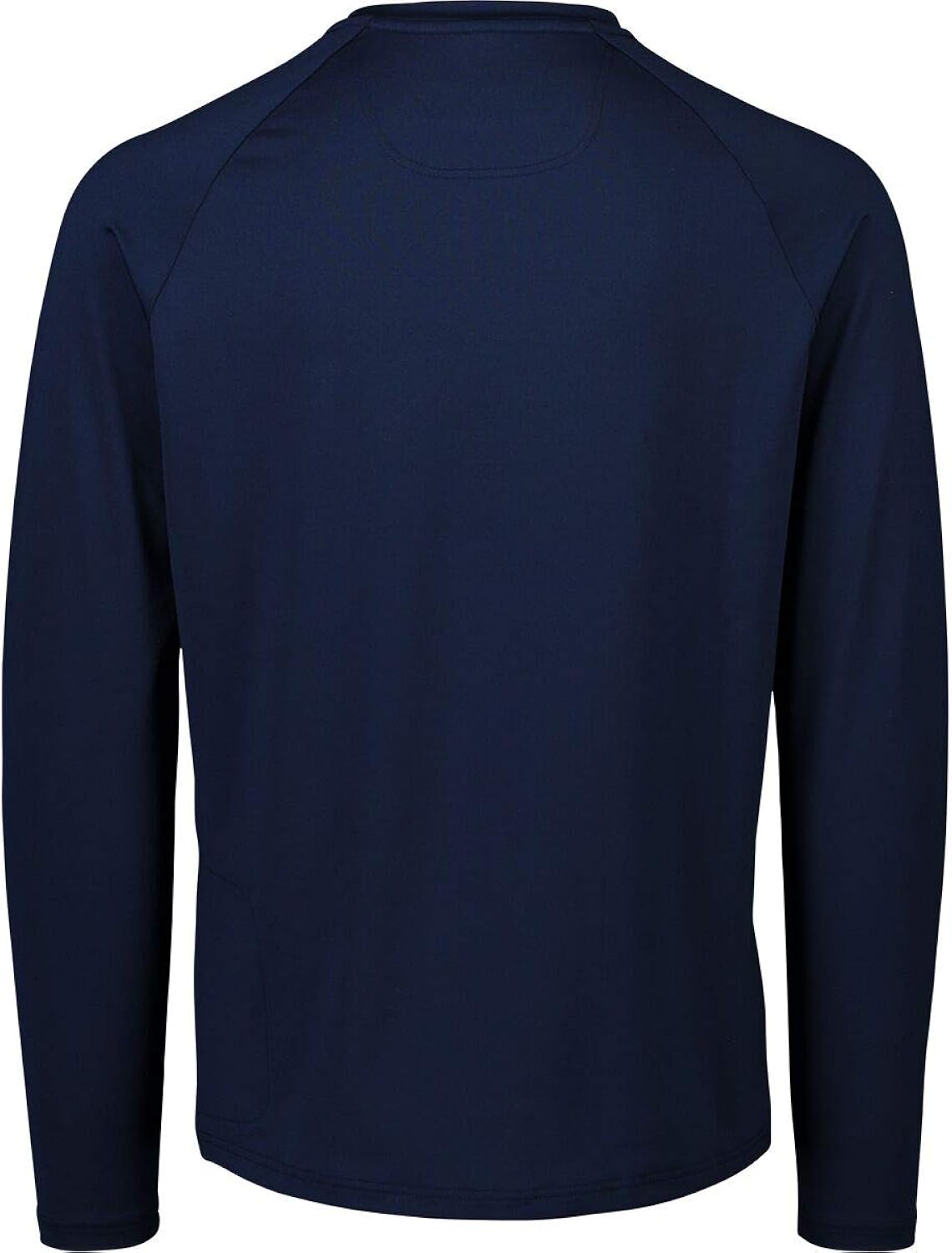
This image is property of Amazon.com.

Fit and Sizing
Fit is where the rubber meets the trail because no amount of technical fabric helps if the jersey rides weird or restricts you. The POC Reform is cut in a regular fit designed to sit comfortably over armor.
How the regular fit behaves
You’ll notice the fit isn’t race-tight; it’s relaxed in a way that keeps you comfortable during long descents and paddling to the next trail. Raglan sleeves enhance shoulder movement so you’re not tugging at seams when your hands are planted and your bike is doing the work. If you wear armor, you will appreciate the room across the back and elbows.
Choosing your size
If you’re already between sizes in POC or other mountain bike apparel, go by how you prefer to layer. For a close fit with minimal extra fabric, choose your normal size; if you want more airflow or to accommodate thicker protection or a baselayer, size up. The L in this product name will fit most riders who usually take a large, but always check the brand’s sizing chart if you can.
Movement and Armor Compatibility
You probably don’t want a jersey that fights the very gear that keeps you safe. This one is cut specifically to work with a back protector and elbow pads.
Raglan sleeves and shoulder mobility
Raglan sleeves remove the shoulder seam that can bind when you’re in an athletic position on the bike. The result is greater freedom of movement when you wrestle the bike through technical sections or reach for the bars on steep climbs. The sleeves are long enough to stay in place under elbow pads without bunching.
Armor clearance and layering
You’ll find room for back protection and elbow pads without the jersey becoming oversized. That’s crucial for enduro where you need full protection without feeling like you’re wearing a tent. The jersey’s structure holds its shape over armor, which avoids the sloppy, ballooning look that makes riders fidget and adjust mid-ride.
This image is property of Amazon.com.

Performance: Wicking, Quick Dry, and Breathability
Performance fabrics are judged by how fast they move sweat away from skin and how quickly they dry in between rides or during long efforts. This jersey has “exceptional wicking properties” and quick-drying capability—claims which hold up in regular use.
Wicking behavior during hard efforts
You’ll notice that the fabric pulls moisture away from your skin efficiently, which helps regulate your temperature while you push hard. On climbs where you heat up rapidly, the jersey doesn’t cling to you, which reduces chafing and keeps you feeling cleaner mid-ride. The sensation isn’t miraculous; it’s simply reliable and effective when you need it most.
Drying speed and evening rides
When you stop for a break or finish a long descent, the fabric dries faster than heavyweight cotton or non-technical blends. That matters if you ride enduro loops that include long chairlift waits, or when you pack the jersey in a damp bag after a rainy session. In cooler conditions, the quick dry can be a double-edged sword—once wet, it sheds moisture quickly, but it also cools down faster when you’re stopped. You may want a lightweight layer if you plan on long cold descents.
Construction and Durability
You deserve clothing that can take a beating, because helmet-to-boot mountain days are rough on kit. With a 220 g/m2 recycled polyester construction, this jersey feels built to last more than a season.
Stitching, seams, and stress points
You’ll see thoughtful sewing where it matters: seams sit out of high-friction zones and the raglan sleeve pattern reduces seam stress at the shoulder. The hems are clean and flat, which reduces irritation when you tuck the jersey into shorts or a pack hits the lower back. Expect normal wear where you lean on bars and pack straps, but nothing alarming in the way of weak stitching.
Abrasion resistance
The fabric gives you enough abrasion resistance to handle the typical scrapes and rubs of trail riding. If you’re a rider who frequently slides on granite or takes hard crashes, any jersey will show signs of trauma, but this one won’t disintegrate after a single season. Still, if you habitually crash, consider jerseys rated explicitly for heavy abrasion or pair this with armor and outer layers.

This image is property of Amazon.com.
Features That Matter
Small features are what separate a thoughtful jersey from a forgettable one. POC included a zipped card pocket and a design that accommodates armor and movement; those matter to you on the trail and at the lift.
The discreet card pocket
The lower-left zipped pocket is the kind of practical detail you’ll miss when it’s not there. You can stash a lift card, parking pass, or a sliver of cash without fumbling around in a backpack. It’s secure and low-profile, which means you won’t notice it while riding unless you need it.
Practicality over gimmicks
You’ll notice POC elected not to overload the jersey with extraneous features like multiple cargo pockets or unnecessary vents. That restraint benefits you: there’s less to break, fewer seams to rub, and the jersey retains a clean, purposeful silhouette. The focus is on essentials that actually improve your ride.
Styling and Everyday Use
You’ll wear this jersey on the bike, but it doesn’t look like you’re wearing a costume off it. The turmaline navy color is understated and more versatile than neon party-wear.
On-trail aesthetics
The colorway and cut read as mature and designed, not just aggressively branded kit. You can pair it with darker shorts and not look like you’re trying too hard. The fit and lines are flattering enough to make you feel put together between stages.
Off-the-bike wearability
You can wear it to the coffee shop, to run small errands, or to warm up before a gym session. It’s not a fashion statement, but it’s decent enough that you won’t feel silly wearing it in everyday life. That versatility matters if you’re packing light for a destination ride.
Care and Maintenance
Caring for performance fabrics keeps them working as intended and extends the jersey’s lifespan. You should follow the care label, but here are practical tips you’ll appreciate.
Washing and drying
You can machine wash the jersey on a mild cycle and avoid fabric softeners that compromise wicking. Skip high-heat dryers; air drying preserves the fiber integrity and reduces the chance of premature wear. Treat stains promptly, and turn the jersey inside out to protect printed logos or any trims.
Storage and long-term care
Store the jersey folded in a dry place, not balled up in a damp pack where mildew can form. If you’re traveling, roll rather than cram the jersey to avoid unwanted creases that can stress seams. Treat it like the useful piece of kit it is—regular maintenance equals more seasons of reliable performance.
Pros and Cons
You like a balanced assessment. Here are the strengths and trade-offs so you can make a practical decision.
Pros
- Recycled materials reduce environmental impact compared to virgin polyester.
- Regular fit accommodates back protectors and elbow pads comfortably.
- Excellent wicking and quick-drying for high-intensity riding.
- Raglan sleeves offer a wide range of motion.
- Discreet zipped pocket is genuinely useful and secure.
- Clean styling that’s wearable off the bike.
Cons
- Not insulated—quick drying means it won’t retain warmth when you stop.
- Minimal pockets—if you like lots of storage on your jersey, this isn’t for you.
- Recycled fabrics vary by batch; long-term durability depends on use and care.
- If you prefer race-cut jerseys, the regular fit may feel loose.
Comparison with Similar Jerseys
You’re likely comparing multiple options, so let’s place this jersey in context. Compared to lightweight race jerseys, this POC piece is more substantial and intended for protection and comfort rather than aerodynamic performance. Against heavier, armored shells, it’s lighter and breathes better but won’t replace an armored rashguard when you need impact resistance built into the garment.
If you ride enduro vs cross-country
For enduro and gravity-focused riding, you want durability, armor compatibility, and breathability, which this jersey provides. For XC, racers may prefer a tighter, lighter jersey for weight savings and aerodynamics. The POC Reform sits comfortably in the enduro segment where protection, comfort, and practicality are prioritized.
Against other sustainability-forward options
Some competitors emphasize recycled materials too, but less often do they hit the middle ground of durability plus performance at a mid-range price. If sustainability is your main concern, compare material certifications, but if you want a solid all-around enduro jersey, the POC model is competitive.
Who This Jersey Is For
You won’t waste money on a jersey that doesn’t meet your riding style if you match use-case to design. This jersey is for riders who prioritize protection, material ethics, and everyday usability.
Ideal rider profile
You ride enduro or aggressive all-mountain terrain and value breathability and armor compatibility. You like practical features that don’t scream “sponsor me” and appreciate understated styling. If you spend many hours on the bike and want a reliable, low-fuss jersey that performs in variable conditions, this is for you.
When to choose something else
If you race elite XC or want minimal drag and a skin-tight fit, look elsewhere. If you’re after integrated impact protection in the jersey itself (rather than wearing separate back and elbow protection), this isn’t the product for that specific need. Also, if you need lots of storage on the body rather than in your pack, you might prefer a jersey with additional pockets.
Buying Advice and Sizing Tips
You should buy with intention. Think about your typical kit stack and whether you’ll wear this over slim or bulky armor.
Practical tips before purchase
Check brand sizing carefully and consider your preferred layering. If you rotate between thick armor and none at all, you might size for the armor and accept a slightly looser fit for lighter days. If you can, try it on with your usual back protector and elbow pads so you know how the jersey sits when fully loaded.
Value and price considerations
If price is a concern, weigh the sustainability features and durable feel against cheaper synthetics that may wear out fast. A slightly higher upfront cost for a jersey that lasts can be the more economical choice over two seasons of cheaper gear. If you’re buying for a one-off trip, the practicality and pocket make it a solid choice.
Final Thoughts and Verdict
You want a jersey that’s honest about what it promises—and the POC Reform Enduro Jersey – Men’s Turmaline Navy, L is honest. It’s not the flashiest or the lightest, but it’s thoughtful in its design, durable in feel, and useful in real-world riding. The recycled materials and practical features make it feel like a responsible purchase rather than an indulgence.
You’ll appreciate the understated styling, the practical pocket, and the way it sits over armor without adding bulk. The quick-drying fabric and raglan sleeves make it a comfortable companion on long days when performance and comfort need to coexist. If your rides demand a reliable, no-nonsense jersey that respects the planet and your preferences, this one should be near the top of your list.
If you want, I can write a short buyer’s checklist you can bring to the shop or a comparison table showing three competing jerseys in the same price/performance range. Which would you prefer?

Disclosure: As an Amazon Associate, I earn from qualifying purchases.
Discover more from Fitness For Life Company
Subscribe to get the latest posts sent to your email.