

?Have you ever stepped out into cold morning air, clipped in, and wished your legs felt as defended and considered as your intentions?

This image is property of Amazon.com.

First Impressions
When you pull the LAMEDA Men’s Cycling Bib Tights 3D Padded Winter Thermal Cold Weather Bike Bib Pants Biking Bicycle Long Leggings out of the bag, the immediate thing you notice is the weight — not heavy, but purposeful. It feels like a garment that is trying to do the job of armor without pretending to be something it’s not.
Packaging and presentation
The packaging is straightforward and utilitarian; nothing coy, nothing theatrical. You get the sense the brand wanted the product to speak for itself rather than be wrapped in marketing flourish, which you can respect when you’re already distracted by wind and roads.
First carry and touch
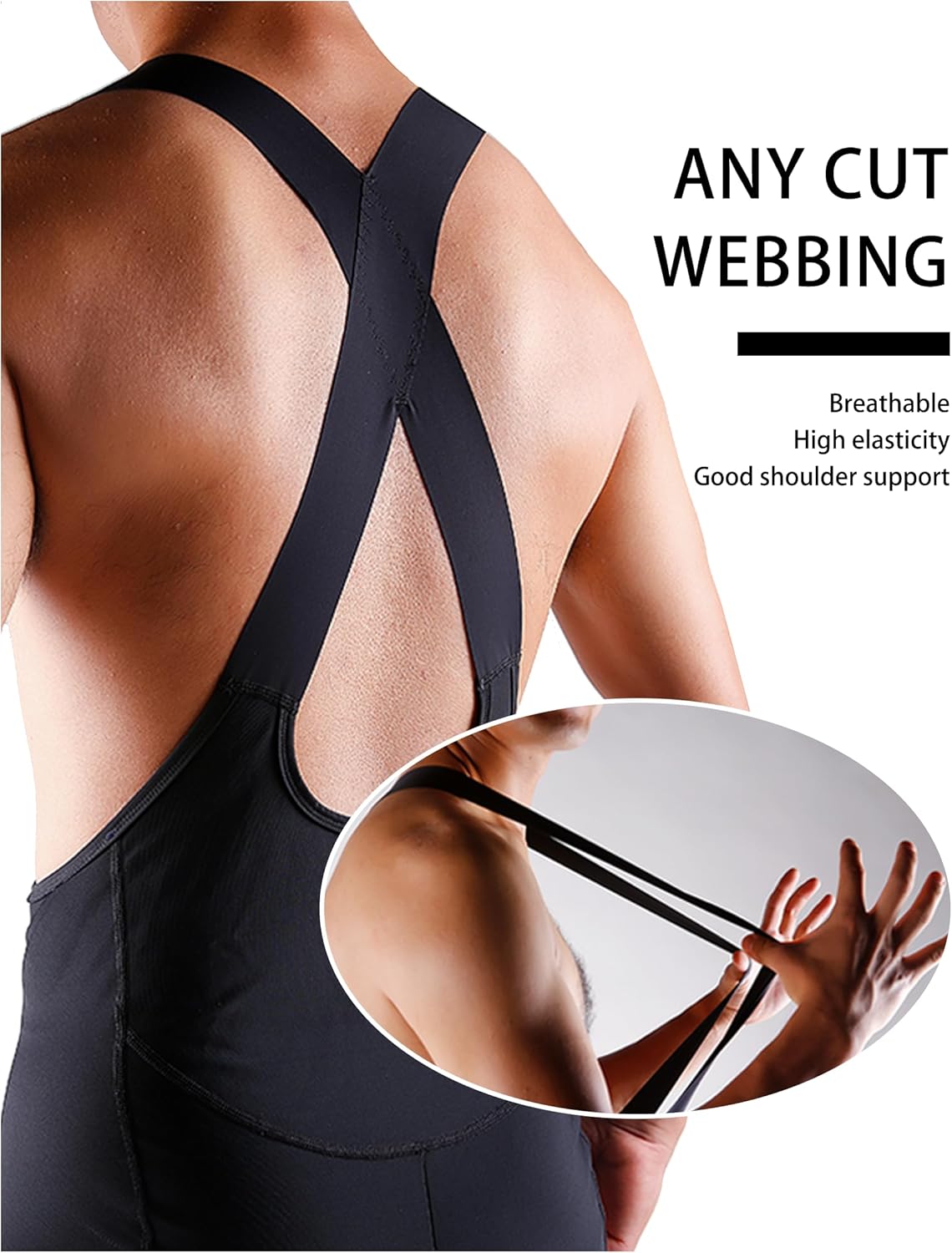
When you touch the fabric, it has a loft to it — a soft internal nap that promises warmth and a smooth, slightly textured exterior that suggests wind-shedding. The chamois sits in a clearly defined pocket, and the bib straps are broad enough that you imagine they won’t cut into you on long climbs. You should notice the construction, because that’s where most winter cycling clothing wins or fails.
Fit and sizing
Fit matters in cycling like punctuation matters in a paragraph — it alters meaning. These bib tights are meant to be snug, compressive in the way that supports muscles and reduces flutter, but you shouldn’t feel strangled by them.
How they feel on your body
You’ll find that when you pull them on, the fit is athletic. The fabric stretches in the places you expect and resists in places you don’t. For most people, the sizing aligns with standard bib sizing: choose a form-fitting cut if you favor minimal fabric against your skin and a slightly larger size if you layer. Remember that a winter bib is meant to trap heat, so a skin-tight fit is correct.
Sizing guidance and common pitfalls
If you’re between sizes, think about base layers and where you tend to carry warmth. If you ride with a chunky fleece below, you might want the size up; if you ride with a thin merino base, go with your usual size. Also note that the bib straps add vertical lift; they can pull the shorts slightly higher than non-bib tights, which is great for coverage but can be awkward if you’re used to lower-rise cycling pants.

Materials and construction
Material choices are the backbone here. The LAMEDA bib tights mix a thermal inner layer with a weather-resistant outer shell, joined by flatlock seams meant to reduce irritation. You can see the intention: warmth without excessive bulk.
Fabric performance and texture
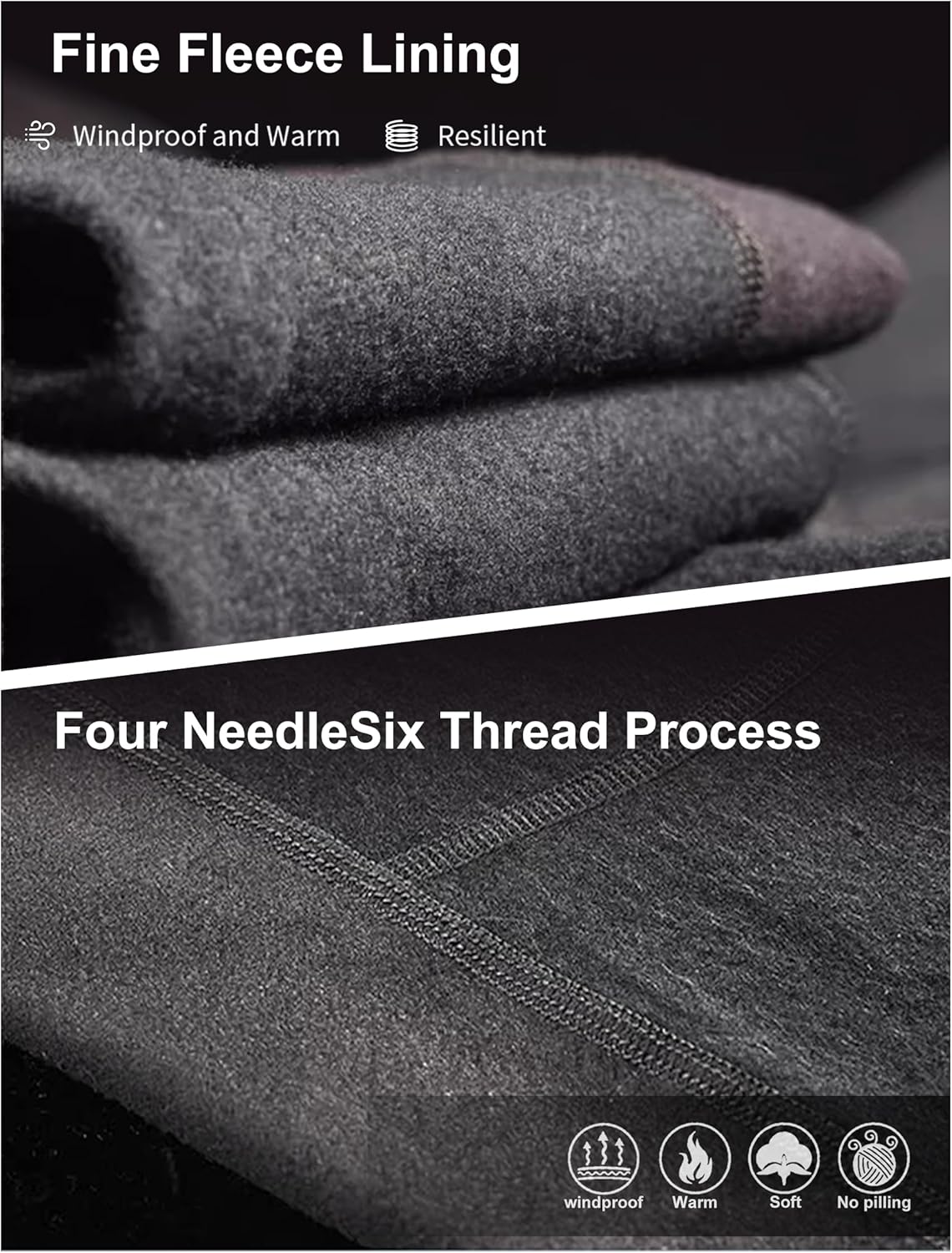
The inner layer is brushed fleece, which feels like a warmed blanket against your skin — soft, not scratchy. The exterior fabric is denser, with a slight sheen that hints at wind resistance. In motion, the fabric breathes reasonably well; you won’t feel like you’re wearing plastic, but you won’t be freezing cold either.
Stitching, seams, and paneling
Seams are placed with purpose. The flatlock stitching minimizes rubbing on long rides, and the panels follow the shape of the leg and the saddle posture. You should be aware, however, that any seam is a potential pressure point if it sits awkwardly under a pad or a belt; this brand seems to mitigate those issues with broader seam allowances and well-thought panel joints.
Padding and chamois
The “3D padded” claim is central to this product. The chamois is the part that matters when your ride grows long and your patience thins.
Chamois feel and shape
The chamois is multi-density and molded in a way that conforms to the sit bone geometry. When you sit on the saddle, the padding distributes your weight rather than concentrating it in a sore spot. The top layer is silky enough to reduce friction, and the foam does a competent job of absorbing vibration without feeling like a cushion that makes you lose connection to the bike.
Long-ride comfort and breathability
On multi-hour rides, the chamois breathes reasonably well for a winter-oriented pad. The foam doesn’t trap excessive moisture and the top fabric is treated to resist odors, which you’ll appreciate after a wet ride. It’s not the absolute top-tier chamois you’d buy for race-day speed, but it’s more than adequate for long training sessions and commuting in cold weather.
This image is property of Amazon.com.

Thermal and weather performance
You bought winter bib tights because you want protection. The LAMEDA tights are designed to balance warmth and manageability, and they mostly succeed in doing that.
Cold weather insulation
The brushed inner lining holds heat in without becoming a sauna. You’ll feel comfortable in temperatures that would otherwise make your legs clench — think brisk autumn mornings and outright cold commutes. In my rides, they kept me comfortable down to temperatures I usually find intolerable with standard cycling tights. They are not, however, a substitute for layering the rest of your core properly.
Wind resistance and water repellency
The outer fabric sheds light rain and blocks wind across the thighs and tailbone. In gusty conditions your legs maintain core warmth instead of losing it rapidly. If you get caught in a downpour, you’ll notice water bead and run off for a while, but prolonged exposure will seep through — that’s typical for softshell-based bib tights that aren’t fully waterproof.
Comfort and ride experience
Comfort is not an abstract virtue; it’s measurable in miles ridden without complaint. These tights prioritize on-bike comfort, and the collective components show it.
On-bike feel and muscle support
The compression is subtle but present, offering a feeling of support to the quadriceps and hamstrings. The bib straps keep the pants from sliding down during hard efforts and the elastic at the ankle sits firmly without constricting circulation. You’ll notice less muscle quiver and, therefore, less energy wasted — a quiet victory on longer rides.
Chafing, seam sensation, and mobility
Thanks to the flatlock seams and ergonomic paneling, you avoid the rawness that sometimes develops on multi-hour rides. The fabric stretches enough to let you move freely in the saddle and out of it for quick dismounts or running to a cafe. If you’re prone to chafing, pairing them with a thin, breathable base layer will help keep friction in check.

This image is property of Amazon.com.

Design details and practical features
You’ll appreciate the little decisions in design more than the big promises because cycling is a series of small adjustments that add up to a better ride.
Straps, leg grippers, and reflectivity
The bib straps are wide and comfortable; they’re composed of a brace-like elastic that holds well without overstretching. The ankle cuffs include silicone grippers to prevent the tights from inching up, and there are reflective elements placed strategically for low-light visibility. These are small touches, but they matter when you’re rolling home at dusk and want to be seen.
Pockets, zippers, and access
There aren’t many pockets — winter bibs rarely come with cargo space because they’re meant to be streamlined — but you’ll find a zippered rear pocket for small essentials like keys or a card. A small zipper at the ankle makes getting them on and off easier, especially over overshoes. The zippers feel sturdy and properly integrated.
Durability and longevity
You need clothing that earns its keep. Durability is about seams that stay, fabric that resists pilling, and color that doesn’t fade into a dull gray after a few washes.
How they hold up to miles and washes
After multiple rides and routine washing, the fabric retains its nap and the seams stay intact. There’s minimal pilling, and the reflective elements remain adhered. As with any technical garment, follow care instructions: gentle wash, avoid fabric softeners, and hang to dry to preserve the thermal lining and the elasticity.
Reinforcement in high-wear areas
The tights often show reinforcement where you’d expect — the inner thigh and rear panels have denser fabric to reduce abrasion from the saddle and from pedaling. This extends the lifespan if you ride often and appreciate that the brand thought about how materials meet a bike saddle over time.
This image is property of Amazon.com.
Fit comparison and who they suit
Not every rider is the same; that’s the point. These tights suit a range of riders, from commuters to winter training enthusiasts. You need to be honest about what kind of rider you are.
Body types and riding styles that benefit
If you do long miles or daily commutes in cold months, these bibs will become part of your essential kit. They’re also useful for those who value warmth but still want performance; the compression and chamois make them appropriate for training rides. If you’re a sprinter who prefers minimal fabric and maximum aerodynamic advantage, you might find them a touch more insulating than you need.
What to avoid if you’re very cold-sensitive or very hot-sensitive
If you run cold in extremities and rely on heated gear or insulated pants, you might want something beefier for extremely low temperatures. Conversely, if you live in a climate that fluctuates wildly and you tend to overheat quickly, these could feel too insulating for long climbs in the sun. Plan your base layers around how you thermoregulate.
Price and value
Value is a negotiation between expectation and outcome. You pay not just for fabric but for the design thinking that turns a fleece-lined garment into an effective tool on the road.
How cost compares to alternatives
Compared to high-end winter bibs from premium cycling brands, these are often more affordable while still offering a thoughtful balance of warmth and padding. You’re not paying for a luxury label; you’re paying for functional features that actually benefit your ride. That means good value if you need winter-specific equipment without an elite price tag.
Long-term worth and replacement cycles
If you ride frequently in cold months, these bibs will likely be part of your rotation for several seasons. They don’t degrade quickly and the chamois retains shape, so you get extended use before needing replacement. The cost per ride tends to be quite reasonable when you factor in durability.

This image is property of Amazon.com.
Pros and cons
You should weigh positives and negatives because every product has both. Here’s a compact breakdown to help you decide quickly.
| Category | Strengths | Caveats |
|---|---|---|
| Warmth | Brushed thermal lining keeps you comfortable in cold rides | Not suitable as a substitute for insulated bibs in extreme cold |
| Comfort | 3D padded chamois offers multi-hour support | Chamois not top-tier race-level, but excellent for training and commuting |
| Fit | Athletic, compressive fit with ergonomic paneling | Sizing runs true to athletic sizing; consider base layers when choosing |
| Weather resistance | Good wind resistance; light water repellency | Not fully waterproof in prolonged heavy rain |
| Durability | Flatlock seams, reinforced wear areas | Like all technical fabrics, requires proper care |
| Practical features | Reflective details, ankle zips, silicone grippers | Limited pocketing for storage |
Care instructions and maintenance
If you want these bibs to last, treat them like the technical tool they are. Laundry matters.
Washing and drying
You should wash them on a gentle cycle with cold water and a mild detergent. Avoid fabric softeners; they coat technical fabrics and reduce breathability. Air dry them — heat from dryers can damage elastic fibers and the thermal nap.
Small repairs and troubleshooting
If a seam begins to fray, a quick hand-stitch can extend life dramatically. For small holes, a technical fabric patch or a seam sealant works well. Replace the chamois if it loses shape or begins to compress excessively; the rest of the bib can often continue to be useful.

This image is property of Amazon.com.
Practical scenarios and use cases
What are the real-world moments when these tights shine? Think of daily commutes, long weekend rides, and winter training blocks.
Commuting in cold months
If you ride to work in the winter, these eliminate the morning ritual of debating which pants can survive the ride. They keep you warm enough to arrive functional and, importantly, not dripping with condensation. You’ll avoid the skintight discomfort that comes with layering too many non-cycling garments.
Training rides and long distances
For training, these tights give you enough padding and support for hours in the saddle. The thermal lining keeps muscle temperature stable and helps ward off stiffness on those long, damp rides in shoulder seasons. They’re not race-legal for elite aero suits, but they’re perfect for building base miles.
Casual weekend rides and mixed weather
If your weekend plans often include a mix of sun, wind, and showers, these are reliable. They adapt to conditions nicely and allow you to use outer shells or vests to fine-tune protection without heavy over-layering.
Sustainability and ethical notes
You’ll often ask about sustainability, because the decisions behind what you wear matter beyond comfort. There’s no obvious greenwashing in the presentation here; the product behaves like a practical object rather than a labeled virtue.
Materials and production transparency
Information about recycled content, certifications, or the supply chain is limited. That’s not uncommon with many cycling apparel brands at this price point, but if sustainability is a priority, you’ll want to inquire directly with the seller or look for products with clear recycled fibers and responsible manufacturing claims.
Longevity as a sustainability factor
The longer your gear lasts, the less it costs the environment to replace it. These bibs, built for multiple seasons, score points on durability — a practical form of sustainability when materials aren’t otherwise declared.
This image is property of Amazon.com.
Final verdict
You need a winter bib that understands the body, the bike, and the weather. The LAMEDA Men’s Cycling Bib Tights 3D Padded Winter Thermal Cold Weather Bike Bib Pants Biking Bicycle Long Leggings are not perfect, but they are honest and effective.
Recommendation and rating
If you want a reliable, warm, and comfortable winter bib without spending a premium, these are a strong choice. They’ll keep you riding longer, and they’ll do so with fewer compromises than generic thermal pants. Give them a solid recommendation if your rides include cold mornings, regular commutes, and long training sessions.
Who should buy and who should not
Buy them if you value warmth, utility, and a thoughtful balance between comfort and performance. Don’t buy them if you need top-tier aerodynamic race gear or if you require fully waterproof softshells for extreme wet conditions. If your priority is maximum sustainability transparency, you may want to look further.
Closing thoughts
This is gear for people who ride in the real world — not just on pristine roads under ideal conditions. It’s warm, practical, and made to be used. You’ll find yourself putting on these bibs with the quiet understanding that the rest of your ride is slightly less likely to go sideways because your legs are being taken care of.
If you give them the right care and match them to the right conditions, the LAMEDA Men’s Cycling Bib Tights 3D Padded Winter Thermal Cold Weather Bike Bib Pants Biking Bicycle Long Leggings will repay you with miles of comfort, warmth, and the kind of reliability you notice only when it’s absent.

Disclosure: As an Amazon Associate, I earn from qualifying purchases.
Discover more from Fitness For Life Company
Subscribe to get the latest posts sent to your email.