

Are you the kind of person who measures a pack by the millimeters it steals from your sleeping bag space and still insists on comfort?

This image is property of Amazon.com.

First impressions and who this tent speaks to
You open the stuff sack and it feels like a small, serious commitment: light, taut, and made with the kind of confidence that doesn’t need to shout. The Big Agnes Tiger Wall UL Ultralight Tent with UV-Resistant Solution Dyed Fabric is aimed at people who want to shave ounces without surrendering civilized tent features—you, if you prize fast-and-light solo or partner trips but refuse to sleep like a hobbit.
You’ll notice right away that the tent reads as modern and practical. It gives the impression of thoughtful restraint: every clip, seam, and zipper seems to be present for a reason, and you’ll appreciate that the brand didn’t confuse minimalism with mean-spiritedness.
Quick specs at a glance
You like numbers when they answer real questions. Below is a compact table to help you size up performance vs. expectations quickly.
| Feature | UL2 (2-person) / UL3 (3-person) |
|---|---|
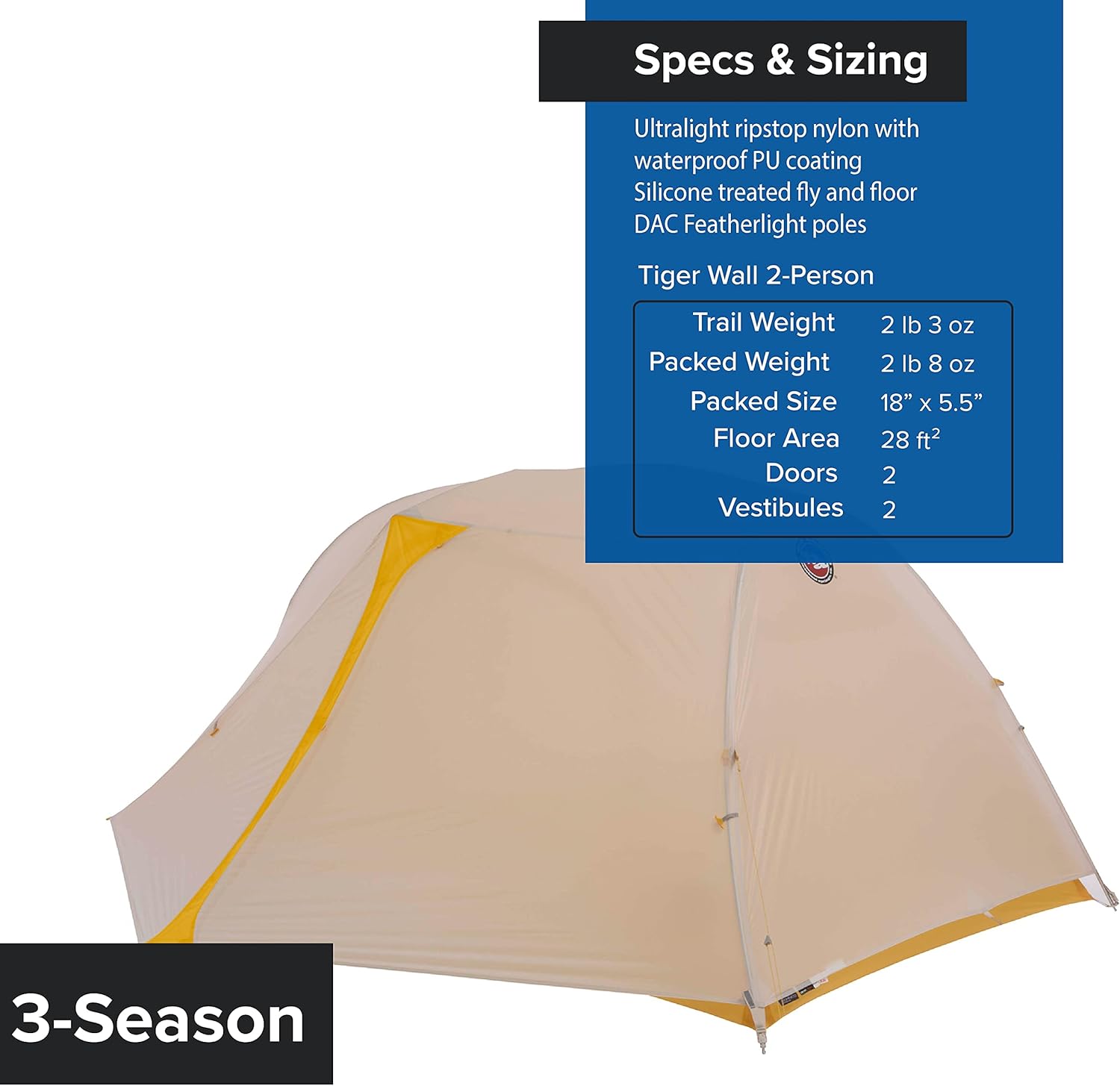
| Trail weight | 2 lb 3 oz (UL2) |
| Packed size | 18 x 5.5 inches |
| Doors / Vestibules | 2 doors and 2 vestibules (UL2 & UL3) |
| Materials | Nylon, Polyester |
| Poles | DAC single-pole architecture |
| Stakes | Dirt Dagger UL I-Beam aluminum stakes |
| Fabric treatment | Solution-dyed, UV-resistant |
| Seam tape | Waterproof, solvent-free polyurethane (No PVC, no VOCs) |
| Special features | TipLok Tent Buckle, structured foot-end corners, 3D mezzanine storage, media pockets |
| Warranty | Lifetime warranty |
| Footprint | Sold separately (Big Agnes 2021 Tiger Wall UL footprint) |
You’ll find that this table answers a lot of quick-shopper questions without making you hunt through specs sheets that read like legal testimony.

Design and materials: what you’ll carry and why it matters
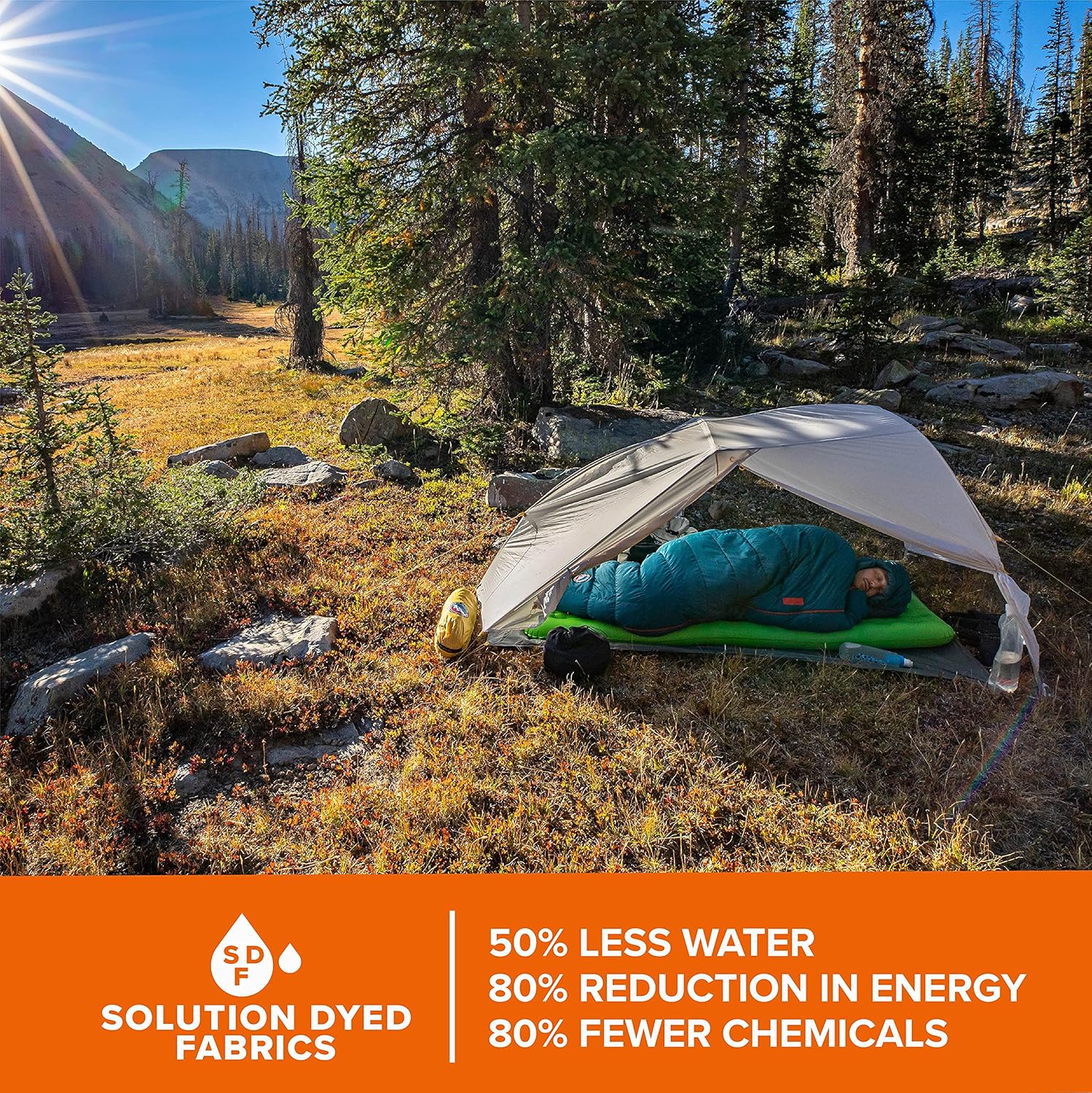
You’ll notice that the tent balances lightness with robustness, thanks to DAC pole architecture and solution-dyed fabric. The fabric is a technical touchstone here: solution-dyed polyester reduces energy and water use during manufacturing and resists UV fade better than conventionally dyed fabrics.
You should care about this for two reasons. One, the reduced environmental impact will matter if you prefer products that minimize manufacturing waste. Two, UV resistance translates to a tent that stays stronger and more attractive season after season, which is a practical advantage when you want to keep your gear both functional and resale-ready.
The single-pole architecture and pitching experience
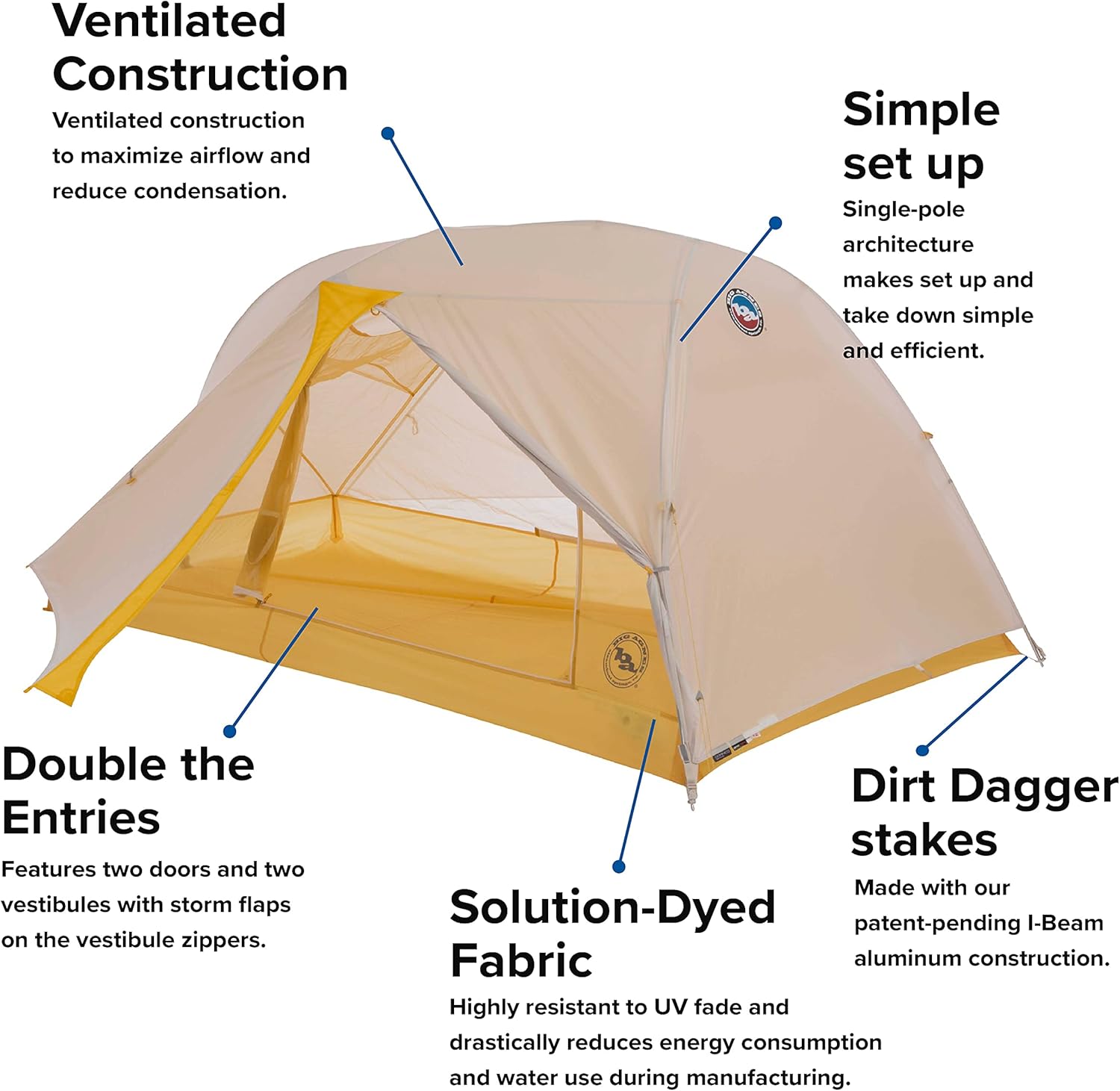
You’ll like how simple the single-pole architecture is: it makes set up and take down efficient, and the TipLok Tent Buckle reduces fiddliness at the corners. TipLok functions as pole-tip capture, rainfly attachment and tensioner, and stake-out loop—three operations from one clever bit of engineering.
You’ll find the tent is essentially “ready to pitch” out of the bag: pre-cut guy lines, color-coded webbing and buckles, and pre-attached tensioners cut down the time you spend in a soft, mosquito-bitten blur of frustration. If you’re the type who likes coffee to be hot by the time your shelter is up, this tent makes that likely.
TipLok Tent Buckle: small part, outsized payoff
The TipLok feels like an accessory you’ll notice because it saves you one of those tiny, cumulative annoyances. It holds the pole tip securely and pulls double duty in attaching the fly and providing a tensioning point.
You’ll appreciate this especially when conditions are damp or your fingers are cold; fewer fiddly parts means less cursing and more time to consult your map.
This image is property of Amazon.com.
Interior space and liveability: not minimalist misery
The Tiger Wall UL is written in the language of efficient livability: structured foot-end corners give you more usable space between your feet and the tent wall, and that matters on long trips where small comforts compound. The single-pole shape is deceptively roomy where it counts—head and shoulder room is handled well, and the mezzanine storage above the foot end keeps clutter off your sleeping pad.
You’ll notice usable details like media pockets above the sleeping area for earbud routing, ceiling storage, and door pockets near your head. These interventions are small but cumulative—after a week on the trail, you’ll be grateful you didn’t have to slide your phone under a shoulder or rummage for a headlamp.
Sleeping arrangements and personal space
You’ll fit two people with gear in the UL2 without treating the tent like a puzzle piece that must be contorted to fit. If you’re sleeping with a partner who values personal sprawling space, you may wish for the UL3. Still, the UL2 strikes a reasonable balance between weight and physical comfort.
You’ll sleep better knowing each person gets a door and a vestibule: no rumpled ladder-climbing to let someone out or rain-soprano impulse zipping into the vestibule.
Vestibules, doors, and dry-entry design
You’ll like the dry-entry design: storm flaps on exterior zippers keep water off the interior as you enter and exit. Two doors and vestibules make every late-night departure less like a ceremony and more like a practical business.
You’ll also be grateful for double sliders on the vestibule zippers, which let you vent from top or bottom, and the low vent feature which increases airflow without compromising weather protection. It’s the kind of thoughtful ventilation that prevents you from waking to a puddle decades before dawn.
This image is property of Amazon.com.
Ventilation and condensation management
You’ll be hard-pressed to avoid condensation entirely in any single-wall-ish environment, but the Tiger Wall UL addresses the worst tendencies. Double sliders, a low vestibule vent, and mesh placement help air move through the tent without making it drafty.
You’ll notice reduced dampness on mornings after cool nights compared to tents that ignore ventilation considerations. The combination of venting options and mesh is a quietly effective approach to keeping your sleeping bag dry-ish and your mood steady.
Weather performance: what to expect when rain and wind arrive
You’ll get a tent that handles typical alpine summer storms with competence rather than bravado. The combination of solvent-free polyurethane seam tape, storm-flapped zippers, and a sturdy DAC single-pole system creates a shelter that resists rain, beads water, and sheds moderate wind without having you question your life choices.
You’ll want to be strategic in heavy, sustained storms: while the Tiger Wall UL is tough for its weight class, if you expect multi-day storms with white-knuckled gusts, consider a more robust four-season or heavier shelter. For three-season use and most high-country conditions, it’s more than reliable.

This image is property of Amazon.com.
Durability and sustainability: how it stands up long-term
You’ll appreciate the solution-dyed fabric’s dual advantage: it resists UV fade and uses less energy and water during production. That’s good for the planet and for your tent’s longevity; fewer photodegraded fibers mean fewer surprises down the line.
You’ll also be reassured by thoughtful construction choices: polyurethane seam tape that avoids PVC and VOCs, strong DAC poles, and reinforced corners with TipLok buckles. All of this adds up to a tent that’s built to endure the friction of packs, the scraping of ground, and the indignities of being the temporary home of a tired, opinionated human.
Stakes, footprint, and extras: what completes the kit
You’ll get the new Dirt Dagger UL stakes included—patent-pending I-Beam aluminum construction that is both lighter and stronger. They are designed for a variety of soils and are a meaningful upgrade over thin, bendable stakes that fail when you need them most.
You’ll want to buy a footprint (Big Agnes 2021 Tiger Wall UL footprint) to extend the floor life of the tent. The footprint is sold separately but compatible via the TipLok system and helps preserve the tent’s floor against abrasion, rocks, and adhesive soil.
Stakes and anchoring strategy
You’ll notice the stakes are lighter but feel sturdy; the I-Beam cross-section increases holding power and reduces bending. Use all stake points and pre-cut guy lines, and you’ll have a taut, confident tent even on shifty ground.
You’ll also appreciate the reflective guy lines for night visibility—they save you from untangling a heel-track emergency at 2 a.m.
This image is property of Amazon.com.
Packing size and weight: for the metrics-driven hiker in you
You’ll be pleased with the trail weight of 2 lb 3 oz for the UL2 model, which places it firmly in the ultralight category. The packed dimensions (18 x 5.5 inches) make it easy to slide into a sleeping bag compartment or lash to the outside of your pack when your frame is behaving like a pragmatic machine.
You’ll find that the tent’s lightness is a carefully negotiated economy, where every ounce saved buys you small comforts while still allowing for structural stability.
Interior organization and the small comforts you’ll appreciate
You’ll find the 3D mezzanine storage at the foot especially clever: it lifts boots and gear off the floor without stealing headroom. The ceiling storage and media pockets keep essential items organized and immediately accessible.
You’ll like this because it means you can be tidy without feeling militant about it. The thoughtful placement of pockets reduces the late-night flashlight fumbling that can ripple into minor partner grievances.

This image is property of Amazon.com.
Setup walkthrough: what you’ll actually do in the field
You’ll set the tent up in a few straightforward steps: spread the floor, insert the single DAC pole into the TipLok corners, stake the corners, attach the fly (the TipLok buckle helps here), tighten the tensioners, and stake out the vestibules. Color-coded webbing speeds this along.
You’ll hit the ground running because the tent comes “ready to pitch” with pre-cut guy lines and tensioners. If you’re in a hurry, you’ll appreciate that the system minimizes decision fatigue.
Noise, zipper quality, and small irritants
You’ll notice good-quality zippers and storm flaps that keep the rain out without sounding like a squeaky gate. The zippers slide smoothly and the double sliders on vestibules give you flexible ventilation control.
You’ll sometimes hear pole creaks in high winds, but nothing in the build feels fragile; it’s performance noise rather than a symptom of impending failure.
This image is property of Amazon.com.
Cleaning, repair, and warranty: what protects your investment
You’ll want a footprint; it will extend the floor’s life as the manufacturer recommends. Repairs are feasible at home—typical patches and seam tape care will keep the tent functional—and there’s a lifetime warranty to cushion the truly unlikely catastrophic failure.
You’ll appreciate that seams are taped with solvent-free polyurethane tape (no PVC or VOCs), which not only supports durability but also aligns with an eco-conscious approach to gear maintenance.
Comparison to similar ultralight tents
You’ll find the Tiger Wall UL sits between minimalist bivy-like shelters and heavier, more spacious traditional tents. Compared with single-wall rivals, it offers better organization and a more thoughtful ventilation package. Against freestanding lightweight tents, it’s lighter and designed with sustainability and longevity in mind.
You’ll notice that some competitors might give you a few extra inches at the head or a lower price point, but few combine solution-dyed UV resistance, TipLok convenience, and I-Beam stake tech at this weight and feature set.
Use cases: when you should choose this tent
You’ll pick this tent for fast-and-light backpacking trips where every ounce matters but you still want features like two doors and vestibules, good interior storage, and reliable seam sealing. It’s ideal for alpine ridges, summer trips in the Rockies, and any time you want to move quickly without living like a hermit.
You’ll probably avoid it for extended winter camping or basecamp trips where space and storm durability take precedence over weight savings.
Comfort in practice: what nights will feel like
You’ll sleep better than you expect in a tent this light, especially because the structured foot corners let your feet relax without touching the wall. The presence of two doors and usable vestibules reduces the annoyance of equipment reshuffling or shared body heat mismanagement.
You’ll notice mornings are less about disentangling than about coffee and maps, which is a surprisingly luxurious achievement for a fast-and-light shelter.
Setup tips and best practices
You’ll set the tent perpendicular to prevailing wind where possible; stake the low side first, then tension the fly opposite the wind for stability. Use all guy lines in gusty conditions, and consider a lightweight footprint for abrasive ground.
You’ll also want to pre-tension the TipLok buckles so poles sit comfortably without being overstrained, which reduces pole stress and keeps fabric tension even.
Common concerns answered
You’ll wonder about condensation, and you’ll be pleased: while inevitable in wet climates, the Tiger Wall UL manages moisture better than many of its peers due to venting options and fabric breathability. You’ll also ask about UV fade—solution-dyed fabric means you’ll see less color degradation over time compared with conventionally dyed alternatives.
You’ll likely worry about price versus weight, but the combination of sustainability, hardware quality, and lifetime warranty makes the tent a defensible investment if you’re serious about mileage and caring for your gear.
Pros — the things you’ll love
You’ll love the light weight and compact pack size, which let you cover distance without feeling punished. You’ll love the TipLok buckle and single-pole simplicity that make pitching fast and low drama. You’ll love the solution-dyed fabric for its UV resistance and better environmental footprint. You’ll love the interior organization and double doors/vestibules for real-world comfort.
You’ll also appreciate the Dirt Dagger UL stakes and taped seams that give confidence in variable conditions.
Cons — what you might trade off
You’ll trade some raw interior space compared to bulkier three-season tents; if you want a standing-room palace, this isn’t it. You’ll need to buy a footprint separately if you want maximum floor protection, and heavy, multi-day storms could push you toward a sturdier four-season shelter.
You’ll also accept that ultralight fabrics are more sensitive to campsite roughness, so you’ll be careful about where you pitch.
Maintenance and longevity: how to keep it working
You’ll treat the floor with care: use a footprint, avoid pitching on sharp rocks, and always clean and fully dry the tent before long-term storage. For small repairs, seam sealants and fabric patches work well; for anything structural, Big Agnes’ warranty and repair service can be friendly allies.
You’ll extend life dramatically with modest rituals: rinse off grime after salty air excursions, avoid long exposure to direct UV when not in use, and store loosely in a cool, dry place.
Final verdict: should you buy it?
You’ll find the Big Agnes Tiger Wall UL Ultralight Tent with UV-Resistant Solution Dyed Fabric to be a finely calibrated object for a particular style of backpacker: someone who wants minimal weight without sacrificing thought-out features, comfort, and a conscientious approach to materials. If that profile fits you, this tent offers an elegant balance of convenience, sustainability, and performance.
You’ll be buying a tent that performs well in three-season conditions, is designed for efficient setup, and has thoughtful touches that prove their worth over nights and miles. If you expect heavy winter use or need the largest possible living area, you’ll look elsewhere, but for fast-and-light missions where comfort still matters, this tent makes a persuasive case.
Quick-buy checklist for your decision
You’ll be ready to buy if:
- You prioritize weight and packability but want functional comfort.
- You value features like two doors, two vestibules, and good interior storage.
- You prefer gear built with sustainability in mind (solution-dyed fabric, solvent-free seam tape).
- You accept buying a footprint separately for floor protection.
You’ll pause if:
- You need a four-season, heavy-wind shelter for prolonged storms.
- You require a large interior living space or vertical walls for lengthy basecamp trips.
You’ll leave the purchase satisfied if you’re someone who measures tent success in quick setup, clever little conveniences (TipLok, mezzanine storage, double sliders), and a product that doesn’t feel disposable.
Closing thought for your next trail
You’ll probably find that the Tiger Wall UL changes how you think about compromise: it asks you to give up just enough to gain speed and simplicity, while still preserving the small civilized comforts that make nights outside feel like intentional retreats rather than scrappy survival tests. If you’re the kind of person who wants to hike fast, sleep well, and leave a lighter footprint both on trails and in manufacturing practices, this tent is worth your attention.

Disclosure: As an Amazon Associate, I earn from qualifying purchases.
Discover more from Fitness For Life Company
Subscribe to get the latest posts sent to your email.