

Can a tent that packs down to the size of a loaf of bread actually make you feel like you brought something sturdy and civilized into the backcountry?

First Impressions
You pick up the Big Agnes Fly Creek HV UL Ultralight Tent with UV-Resistant Solution Dyed Fabric and you immediately notice the contradiction it offers: featherlight in weight, but purposeful in design. It feels like a carefully considered compromise, the kind you appreciate when you’re trading a few luxuries for miles and momentum.
The look and feel out of the pack
When you unzip the stuff sack, the tent’s fabric looks taut and purposeful rather than flimsy or overly technical; the solution-dyed nylon ripstop has a slightly muted sheen that suggests durability. You’ll find yourself inspecting the stitching and the corners, feeling the engineered restraint that went into cutting weight without sacrificing basic comforts.
Design and Materials
This tent’s design intentionally privileges livable space and packability, and you can see how the HV (high-volume) architecture produces more headroom with minimal weight penalty. The materials list reads like a short, focused novel: nylon ripstop, DAC Angle SF Hub, TipLok buckles, and solution-dyed fabric.
Solution-dyed fabric benefits
The “UV-Resistant Solution Dyed Fabric” isn’t just marketing copy; solution dyeing means the pigment is integrated into the fibers, making the fabric far more resistant to sun fade and reducing water and energy use during manufacturing. For you, that translates into a tent that should look and perform better year after year without costing the planet as much in production resources.
Construction highlights
You’ll notice single-pole DAC Angle SF Hub architecture, TipLok Tent Buckles on corners, and pre-tensioned fabrics designed to make pitching straightforward. Those little touches, like color-coded webbing and reflective guy lines, are the kinds of details you’ll appreciate when light is failing and your patience is thin.
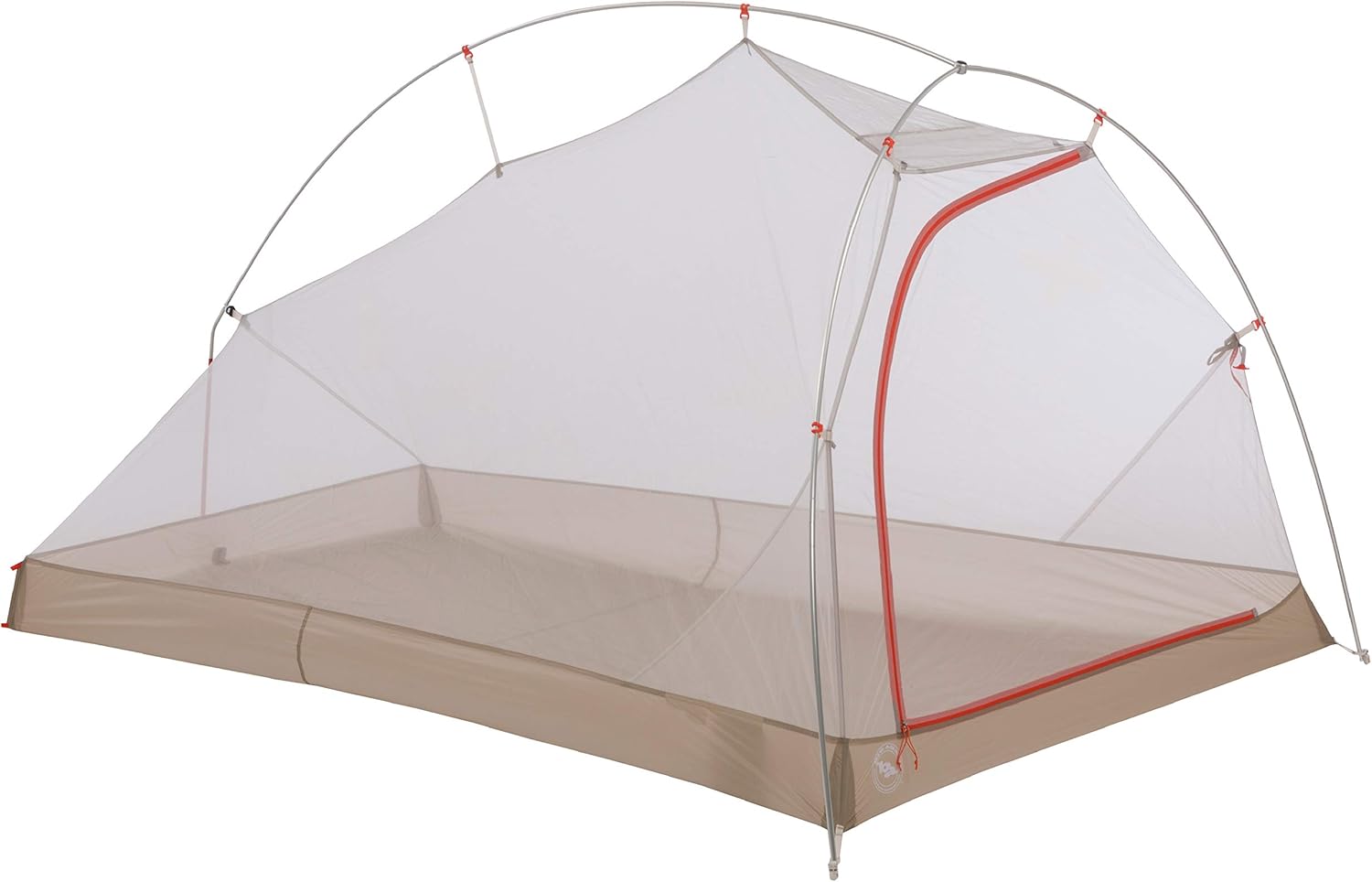
This image is property of Amazon.com.

Technical Comfort
This tent’s name bills it as “technical comfort,” and that’s a fair description. It aims to balance minimalist weight with livable interior space, and in many ways it succeeds.
Interior volume and headroom
Thanks to the high-volume architecture and steeper walls, you’ll find a modest but meaningful gain in usable interior volume compared to older ultralight designs. You can sit up comfortably if you’re of average height and there’s just enough shoulder room for you and your pack.
Vestibule and entry
The vertical door construction enlarges the vestibule, making gear access easier and wetter boots less of a negotiation. The dry entry/exit concept with a dual zipper and storm flaps aims to help keep the interior dry when you’re fumbling in the dark or sheltering during a rain squall.
Usable Space vs. Weight
You’re always trading grams for comfort in ultralight gear, and the Fly Creek HV UL tries to give you the most livable space for the trail weight.
Trail weight and packed size
At a trail weight of 1 lb. 15 oz. and a packed size of 19.5 x 6 inches, this tent will fit comfortably in your minimalist loadout. That size lets you commit to longer or faster trips without feeling like shelter is the weak link in your kit.
How the volume feels in practice
The steeper walls and expanded headroom mean you won’t be constantly reminded of your tent’s compactness. You’ll be able to sit up to read, manage a small stove (outside the vestibule of course), and stow your essentials without everything being in a pile on your face.

This image is property of Amazon.com.
Setup and Pitching
You’ll appreciate how this tent comes “ready to pitch” — the design removes a surprising number of little friction points that usually make tent setup tedious.
TipLok Tent Buckles and corner construction
The TipLok Tent Buckle unites pole-tip capture, rainfly attachment, and tensioning in a single, clever piece. It’s one of those inventions that you don’t know you need until you use it and then you quietly enjoy that small perfection. Setup becomes a sequence that flows rather than an assembly that frustrates.
Color coding and pre-attached guys
If you’re setting up in fading light or a drizzle, the color-coded webbing and buckles make the correct connections nearly instinctual. Pre-cut guy lines and attached tensioners mean you’re not rummaging through a bag for the last cord — everything is where it should be, which is a relief on the trail.
Stakes and Anchoring
A tent is only as good as what keeps it planted, and Big Agnes included their new Dirt Dagger UL Tent Stakes to match the ethos of the rest of the tent: lighter but strong.
Dirt Dagger UL stakes
These stakes use patent-pending I-Beam aluminum construction to balance weight and stiffness. You’ll appreciate their design when you’re in firmer soil and need something that won’t bend or pull through under tension.
Guy lines and night visibility
Reflective guy lines and reflective webbing on the tent corners prevent midnight curses when you or a tent neighbor trips over a stake line. The reflective details are modest but effective — small reasons you sleep a bit better on a windy night.

This image is property of Amazon.com.
Interior Features and Storage
The Fly Creek HV UL is engineered so that small comforts feel significant: two mesh pockets, an oversized media pocket, and integrated gear loft loops.
Mesh pockets and media pocket
Those pockets are easy to dismiss until you need a flashlight, chapstick, or earbuds. The oversized media pocket is thoughtfully located to route cords cleanly above your sleeping area, which matters if you like to fall asleep to music or need quick access to a phone without rummaging.
Gear loft loops and organization
Gear loft loops give you options for hanging a lightweight lamp or drying a small layer near the tent apex. The interior organization is minimal but purposeful — it keeps the weight down while giving you enough places to stash the things that matter most at night.
Durability and Weather Performance
You’ll want a tent that can withstand rain, sun, and the occasional clumsy hitch with a branch. The Fly Creek HV UL’s materials and construction were designed with those expectations in mind.
Seams, coatings, and environmental choices
All seams are taped with waterproof, solvent-free polyurethane tape, avoiding PVC or volatile organic compounds (VOCs). That’s a practical choice for longevity and for you if you care about the health implications of traditional coatings.
Rain, wind, and mixed conditions
In a steady rain, the vertical door and vestibule design help protect the interior while allowing you to access boots or a pack. In high winds, the single-pole hub and guying options hold up decently, given the tent’s weight class. You’ll still need competent pitch technique and careful site choice in first-rate windstorms, but for normal weather this tent performs well.

This image is property of Amazon.com.
Sustainability and Manufacturing
You’ll notice a thread of environmental thought throughout the product details, and that’s increasingly important when you’re buying gear meant to be used in, and to respect, wild places.
Solution dyeing and reduced resource use
Solution-dyed fabric reduces energy and water use during manufacture, and the approach vastly improves UV resistance. For you this means a tent that should maintain color and structural integrity longer, reducing the frequency with which you have to replace it.
Solvent-free seam tape and materials choices
Choosing solvent-free polyurethane seam tape is a small but meaningful decision that aligns with lower chemical emissions in production. It’s a subtle nod to a broader stewardship ethic that you might appreciate if you’re tallying sustainability alongside technical performance.
Packing and Trail Use
A tent’s real test is not just how it stands in a wind tunnel but how it behaves when you’re exhausted, wet, and hungry after a long day. This tent has been designed to keep in mind those low-energy, high-reward moments.
How it packs and repacks
The packed size is genuinely compact, and the fabric likes being folded rather than shoved. If you take a little care when you repack, the Fly Creek HV UL returns to its stuff sack with ease and without the wrestling matches common to larger shelters.
Multi-day vs. overnight use
For multi-day fastpacking or ultralight backpacking, you’ll appreciate the weight savings. For casual weekenders who want more robust interior space or two-person comfort in more inclement weather, you may find yourself trading off some liveability; that’s a fair trade if you’re committing to speed and distance.

This image is property of Amazon.com.
Nighttime Comfort and Privacy
When night falls and you’re in the tent, small comforts matter more than grand features. The Fly Creek HV UL gives you a quiet, intimate shelter that feels like a good neighbor.
Noise and inner fabric touch
The tent fabric is quieter than some other silnylon offerings, and the steep wall architecture reduces the sense of claustrophobia. You’ll sleep well unless the wind is insistent; then you’ll be glad of the thoughtful guying points and stable hub.
Privacy and condensation management
The single-door design with storm flap helps maintain privacy while allowing a modest amount of airflow. Condensation is managed reasonably well, given the envelope of the design; for heavy condensation nights you’ll still want to open the vent points if conditions allow.
Comparison to Competitors
You’ll inevitably compare this tent to other ultralight options, and context matters: a few ounces and a few inches of vestibule can be decisive depending on your priorities.
Where it stands out
The combination of solution-dyed fabric, TipLok buckles, and Dirt Dagger stakes gives you an integrated system designed to reduce setup friction and improve longevity. If you value every ounce and appreciate clever hardware, this tent stands out.
Where it concedes
In absolute interior space and raw weather robustness compared to heavier, four-season shelters, it concedes ground. That’s expected — it’s a specialist tool, not a universal one. If you want a burly basecamp tent, this is not it.
This image is property of Amazon.com.
Care, Repair, and Longevity
Part of responsibly owning ultralight gear is understanding how to care for it; small maintenance steps extend life dramatically.
Cleaning and storage
You should avoid machine washing; instead, wipe down the fabric with a soft cloth and mild soap if needed, and dry thoroughly before storing. Long-term storage in a cool, dry place will keep the polyurethane seam tape and fabric stable.
Repairability and footprint recommendations
TipLok buckles and the simple pole architecture make field repairs easier. To preserve the floor, Big Agnes recommends using the 2021 Fly Creek HV UL footprint (sold separately) — a small investment that can dramatically extend the life of this tent’s floor fabric.
Practical Use Cases
You’ll find this tent suits particular modes of being in the outdoors: fastpacking, ultralight backpacking, and solo overnight adventures where every ounce matters.
Best use scenarios
If you’re moving fast and light, covering long distances, or prioritizing pack space, this tent is an excellent choice. Its compactness and weight make it ideal for multi-day circuits where speed is the goal.
Less ideal scenarios
If you often camp with a partner or need to shelter larger amounts of gear under a vestibule, you may feel constrained. Similarly, if you take extended trips in severe wind and snow, a more robust, heavier shelter would be wiser.

This image is property of Amazon.com.
Field Notes: A Weekend with the Fly Creek HV UL
You’ll have a concrete sense of what this tent does after a weekend in slightly mixed weather — a few hours of rain, a gusty night, and a bright morning.
Day-one setup and wet weather
Set up on a damp evening was simple: the color-coded webbing and TipLok corners made the pitch feel like a ritual rather than an assembly. During rain, the vestibule kept my boots and pack dry and the storm flap design minimized water intrusion when I pulled things out.
Night and morning performance
The tent slept well; wind sang around the stakes instead of shimmying through the walls. Morning condensation was present but manageable; airing the tent for a few minutes while the sun warmed the valley reduced it quickly.
Detailed Specifications
Below is a breakdown of key specifications and features to help you compare quickly and make an informed decision.
| Feature | Specification / Benefit |
|---|---|
| Product name | Big Agnes Fly Creek HV UL Ultralight Tent with UV-Resistant Solution Dyed Fabric |
| Trail weight | 1 lb. 15 oz. |
| Packed size | 19.5 x 6 inches |
| Fabric | Nylon ripstop, solution-dyed |
| Frame | Single-pole DAC Angle SF Hub |
| Stakes | Dirt Dagger UL (I-Beam aluminum) |
| Door | Dual zipper, single-door with vertical construction |
| Vestibule | Dry entry/exit vestibule with storm flap |
| Interior storage | 2 mesh pockets + 1 oversized media pocket, gear loft loops |
| Seams | Taped with solvent-free polyurethane (No PVC or VOCs) |
| Special hardware | TipLok Tent Buckle (pole-tip capture, rainfly attachment, tensioner) |
| Visibility | Reflective guy lines and webbing |
| Origin | Made in the USA or Imported |
| Warranty | Lifetime warranty |
| Footprint | Recommended (sold separately) |
Pros and Cons
You’ll want a clear sense of trade-offs before you click buy, so here’s a compact breakdown.
| Pros | Cons |
|---|---|
| Extremely light for the livable volume | Less roomy than heavier two-person shelters |
| Solution-dyed fabric resists UV fade and uses fewer resources | Single-door may be inconvenient for some users |
| TipLok buckles simplify pitching and tensioning | Not intended for extreme winter use |
| Compact packed size fits minimalist setups | Footprint sold separately to protect the floor |
| Reflective guy lines and color-coded webbing for easy setup | Vestibule still smaller than larger models |
Underneath those bullet points, you’ll find the common sense of design choices — compromises that feel considered rather than accidental.
Who Should Buy This Tent?
You’ll be happiest with this tent if weight, packability, and efficient use of space drive your decisions. Fastpackers, solo backpackers who want comfort without bulk, and those who care about manufacturing impact will find a lot to like.
Who should think twice
If you frequently carry a lot of gear into camp, often sleep with a partner, or make basecamp-style trips where interior volume is prioritized over weight, consider a larger model. If you need a four-season shelter, choose something heavier and more puncture-proof.
Final Thoughts and Recommendation
This tent strikes a precise balance: it’s a thoughtful ultralight shelter that feels like a luxury compared to some other minimalist options. You’ll get an intelligently designed system that rewards careful pitching and thoughtful packing, and the sustainability choices give you an extra-good reason to choose it. If your idea of fun involves long miles, early starts, and a commitment to carrying less without forgoing warmth and a dry sleeping ground, the Big Agnes Fly Creek HV UL Ultralight Tent with UV-Resistant Solution Dyed Fabric is a tent you should seriously consider.
You won’t get the brute resilience of a heavyweight shelter, but you will get a shelter that feels like a companion rather than an obstacle. If that appeals to the part of you that keeps counting grams on a map, then this tent will make more sense than many sturdier alternatives — and it will likely become the small, deliberate convenience you’re glad you carried.

Disclosure: As an Amazon Associate, I earn from qualifying purchases.
Discover more from Fitness For Life Company
Subscribe to get the latest posts sent to your email.