

SHIMANO SH-EX300 Review: Quick Product Overview
If your cycling shoes make you walk like you’re crossing a frozen pond, the SHIMANO SH-EX300 is trying to solve exactly that problem. This men’s city cycling shoe is built for riders who need one pair for short commutes, relaxed city rides, and the small but constant walking that happens after you step off the bike. At $130, the real question is whether a flexible, walkable cycling shoe gives you better daily value than a stiffer performance shoe or an ordinary sneaker.
The product description is very clear about its promise: the EX300 uses a flexible sole designed to balance pedal efficiency with walkability, making it practical for all-day wear. That tells you what this shoe is, and just as importantly, what it isn’t. It’s not being pitched as a race shoe for hard intervals, and it’s not just a casual shoe pretending to belong near a bike.
Consider the SHIMANO SH-EX300 Men’s City Cycling Shoe if your rides include office entrances, grocery aisles, train platforms, café floors, or short walks between stops. Skip it if you want maximum stiffness, race-focused power transfer, or a shoe that will live almost entirely clipped in on long, fast rides. The problem it solves is ordinary but real: you want to pedal with more purpose than you would in sneakers, yet you don’t want a shoe that punishes you every time the ride becomes a walk.

Design and Everyday City Use
The SHIMANO SH-EX300 makes the most sense when you judge it as a city tool, not as a substitute for every other cycling shoe. Its stated use is “quick commutes and relaxed pedals around the city,” which puts it squarely in the world of practical riding: short trips, errands, social stops, and casual movement between bike and pavement. You’re not buying a shoe that asks your whole day to revolve around the bike. You’re buying one that accepts the bike is only part of the day.
That matters more than it sounds. A city ride is rarely just a clean line from home to work. You might lock the bike, cross a lobby, walk up stairs, stand in line for coffee, step into a shop, or move through an office before riding again. In those moments, a shoe that looks and feels less specialized off the bike can be easier to live with than something built only for riding posture.
The all-day-wear claim should be read through that lens. The supplied description supports the idea that the shoe is intended to be easy to wear over a full day because of its walkable, city-friendly design. It does not give details about cushioning, upper materials, waterproofing, weight, or ventilation, so those should not be assumed. What you can reasonably expect is a shoe built around smoother transitions, not a shoe with every comfort feature already proven on paper.
Before buying, map your normal riding day honestly. Write down how long you are on the bike, how often you stop, how much time you spend walking, and whether your destination expects something less obviously technical. If your day includes repeated transitions, the SHIMANO SH-EX300 fits the pattern. If you ride hard, arrive, and immediately change shoes, its main advantage becomes less important.
SHIMANO SH-EX300 Key Features Deep-Dive
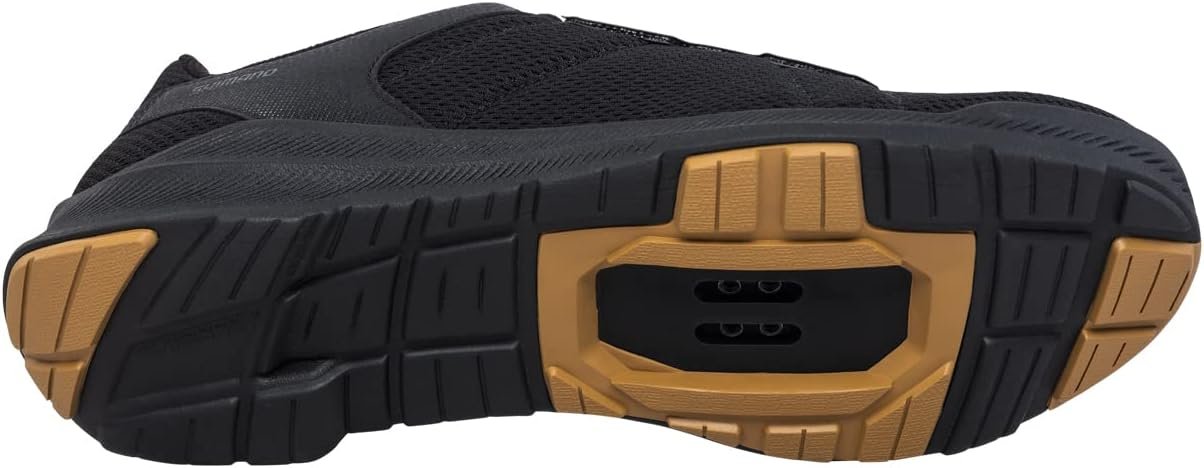
The defining feature of the SHIMANO SH-EX300 is its flexible sole. That is the heart of the product description and the reason this shoe exists: many cycling shoes feel efficient on the bike but awkward on the floor, while this model aims to reduce that stiff, clumsy walking feel. For a commuter, that can matter as much as what happens during the ride itself.
There is a tradeoff here, and you should welcome the honesty of it. A more flexible cycling shoe can feel easier when you’re walking through a building or making several stops, but it may not satisfy riders chasing the firmer sensation of a performance-focused road shoe. The EX300 is not described as the stiffest or most race-oriented option in Shimano’s range. It is described as a functional city shoe, and that is the standard it should be held to.
For urban riding, this balance is practical. Commuters often get off the bike repeatedly: crosswalks, stairwells, entryways, shop floors, office corridors, and apartment lobbies all become part of the route. A shoe optimized only for the pedal can start to feel like a compromise the moment you’re no longer pedaling. The SHIMANO SH-EX300 reverses that thinking by treating walking as part of the ride, not an inconvenience after it.
| Use Area | What the Product Description Supports | Shopper Takeaway |
|---|---|---|
| Commute comfort | Designed for quick commutes and relaxed city pedals | Best suited to routine urban trips rather than race efforts |
| Walking practicality | Flexible sole supports walkability | Useful if your ride includes errands or workplace movement |
| Pedal feel | Sole is intended to support pedal efficiency | More bike-specific than ordinary casual footwear |
| All-day usability | Described as easy to wear all day long | Comfort still depends on fit, socks, and foot shape |
After purchase, test the sole balance before committing it to a full outdoor day. First, wear the shoes indoors on a clean floor for a short period. Second, walk normally and notice whether the flex feels natural to your stride. Third, take a short, low-stakes ride rather than beginning with your longest commute. Finally, decide whether this balance matches your routine before using the shoes extensively outside, where returns can become harder.

This image is property of Amazon.com.

Flexible Sole: Where It Helps and Where It Limits You
Sole flex matters because walking is not a side issue for city riders. It is part of the trip. A more forgiving sole can make errands, multi-stop commutes, and short walks after locking the bike feel less awkward than they might in a shoe built mainly for stiffness.
The SHIMANO SH-EX300 should be understood by outcome, not by imagined lab numbers. Compared with stiffer cycling shoes, it is likely to feel more natural when you are off the bike because that is exactly what its design promise emphasizes. On the other hand, riders who love the firm, direct sensation of a performance shoe during hard efforts may prefer a model built around maximum power transfer.
The practical rule is simple. Choose this shoe if walking is woven into your ride. Look elsewhere if most of your time is spent riding long, fast, and with little need to move comfortably once you unclip or step away from the pedals.
Walkability and All-Day Wear Claims
The phrase “easy to wear all day long” is promising, but comfort is never automatic. The SHIMANO SH-EX300 is designed for day-long practicality, yet your foot shape, sock thickness, and preferred fit will decide whether that promise holds up for you. A shoe can be thoughtfully designed and still be wrong for a particular foot.
Evaluate comfort in ordinary movements, not just standing still. Check for forefoot pressure, heel slip, rubbing at the ankle, and hot spots that appear after a few minutes of walking. Pay attention to whether the shoe feels natural during everyday movement, because a city cycling shoe earns its keep in transitions: bike to sidewalk, sidewalk to workplace, workplace back to bike.
If it feels secure for pedaling but irritating while walking around indoors, don’t assume it will magically improve during a full commute. That early discomfort is useful information.

This image is property of Amazon.com.
What Customers Are Saying
At drafting time, a live star rating and verified-buyer review count were not included in the supplied product data for the SHIMANO SH-EX300. That limits what can be said responsibly about customer consensus. Rather than inventing praise or complaints, this review weighs the confirmed product description against the buying situations where the shoe is most likely to succeed.
Because no verified-buyer pattern is available here, treat review checking as part of the buying process rather than an afterthought. When you open the product page, look specifically for comments about walking comfort, pedal feel during short commutes, fit accuracy, and whether buyers wore the shoe beyond the bike. Those are the signals that matter for this model. A review saying it worked well for a grocery run and a half-hour city ride is more relevant than one focused on aggressive training.
Also scan for durability notes, but read them carefully. One isolated complaint may reflect unusual use, while repeated comments about the same issue deserve more weight. The same applies to fit: if several reviewers with similar foot shapes mention tightness or looseness, that information is more useful than a single broad statement that the shoe “runs fine.”
When the shoes arrive, turn those review patterns into a short trial. Check the fit indoors first, then test a short familiar route where you can focus on how the shoe behaves rather than on traffic, distance, or weather. If the shoe feels wrong during the first controlled test—especially in heel hold, toe pressure, or walking ease—consider an exchange before outdoor wear makes the decision more complicated. With a city cycling shoe, the best customer feedback to trust is the kind you can quickly verify on your own feet.
Fit, Sizing, and Break-In Considerations
Fit is the biggest purchase risk with any cycling shoe, and the SHIMANO SH-EX300 is no exception. The supplied product information does not confirm a specific sizing pattern, so you should avoid assuming that it runs large, small, narrow, or wide. If you already own Shimano cycling footwear, compare against the size that has worked for you before. If you don’t, use the size chart on the product page before ordering.
A city cycling shoe needs a slightly delicate balance. It should feel secure enough that your foot does not move around while pedaling, but it should not clamp down so tightly that walking becomes unpleasant. That balance is especially important here because the EX300’s purpose depends on both riding and walking.
- Put on the socks you actually ride in. Sock thickness can change fit more than you expect.
- Stand and walk indoors. Use a clean surface so the shoes remain returnable if they do not work.
- Check toe room and heel hold. Your toes should not feel jammed, and your heel should not lift excessively.
- Mimic a pedaling motion. Notice whether the shoe stays secure when your foot flexes and angles.
- Reassess after 10-15 minutes. Early pressure points often reveal themselves only after a short wear period.
Do not count on break-in to solve a poor match. A little settling is normal with many shoes, but sharp pressure, slipping, or numbness during the home test is a reason to reconsider the size.

This image is property of Amazon.com.
Who the SHIMANO SH-EX300 Is Best For
The SHIMANO SH-EX300 is best matched to urban commuters, casual riders, e-bike users, and cyclists who make frequent stops. If you dislike the feeling of wearing an obviously technical shoe after the ride, this model’s city-cycling purpose is easy to understand. It is for the rider whose day keeps shifting: ride a few miles, walk into a building, ride again, stop for food, walk some more.
The routine that fits this shoe is short-to-moderate and varied. Think city routes, workplace transitions, grocery stops, relaxed weekend paths, and errands where walking comfort matters nearly as much as pedaling. For those uses, a highly specialized performance shoe can feel like too much shoe in the wrong places. The EX300’s appeal is that it does not treat everyday movement as an inconvenience.
It may not be the best match for riders focused on racing, structured high-output training, or the firmest possible pedaling sensation. Those cyclists should compare more performance-oriented Shimano models instead of expecting a commuter shoe to behave like a race shoe. That is not a flaw; it is simply a different design target.
Use one decision rule. If more than a small part of your trip happens on foot, the SHIMANO SH-EX300 design makes sense. If almost all of your ride happens in the saddle at higher intensity, and walking is limited to a few steps before changing shoes, another option may suit you better.
Value Assessment at $130
At $130, the value of the SHIMANO SH-EX300 depends on how often you will use its hybrid nature. You are not paying only for a cycling shoe, and you are not buying a plain walking shoe. The value case rests on whether one pair can handle both pedaling and walking often enough to replace an awkward two-shoe routine.
A daily commuter may get strong value from that design because small conveniences accumulate. If a shoe helps you ride to work, move through a building, stop for errands, and avoid changing footwear immediately, it earns its place through repetition. A casual rider who pedals only once in a while may see the cost differently, especially if ordinary sneakers already feel adequate for low-effort rides.
Compared with regular sneakers, the SHIMANO SH-EX300 has a clearer cycling purpose. Sneakers may be cheaper and naturally easy to walk in, but they are not described as balancing pedal efficiency with city walkability. That distinction matters if you want more bike-specific support without accepting the stiff feel of a performance shoe. In 2026, as more urban riders mix bikes, e-bikes, transit, and walking in the same day, this kind of commuter-focused design still feels relevant.
- Commutes per week: The more often you ride, the easier it is to justify the cost.
- Walking per ride: More time on foot makes the shoe’s city design more useful.
- Workplace comfort needs: Consider whether you need footwear that remains practical after arrival.
- Current shoe frustration: If your existing cycling shoes fail off the bike, the EX300 answers a real problem.

This image is property of Amazon.com.
SHIMANO SH-EX300 vs. Competing City Cycling Shoes
The SHIMANO SH-EX300 should be compared with alternatives by rider type, not by unsupported spec battles. Two Amazon-available names shoppers often consider in this general space are the Giro Rumble VR and the Five Ten Sleuth. Each can make sense, but not for the same rider.
Choose the Shimano if you are drawn to Shimano’s cycling-shoe heritage and the EX300’s described focus on a flexible commuter sole. It is the most natural match when your priority is a city cycling shoe that acknowledges both the pedal and the sidewalk. The product description gives a clear use case: quick commutes and relaxed city rides, not racing or rugged trail riding.
The Giro Rumble VR may appeal more if you want something with an outdoor or adventure-style personality, depending on the exact version available. The Five Ten Sleuth may be more attractive if casual sneaker-like styling and flat-pedal use are higher priorities for you. Because versions and availability can vary, avoid assuming that all models in these lines share the same pedal compatibility or walking feel.
Before choosing among them, compare four things in order: pedal compatibility, comfort while walking, return policy, and verified-buyer fit comments. That sequence keeps you from falling for looks alone. A city cycling shoe has to work with your pedals first, your feet second, and your daily routine every time after that.
How to Decide Before You Buy
The smartest way to decide is to start with your routine, not with the shoe. Define your ride type, estimate how much walking happens before and after each ride, and decide whether you need one pair to cover both. The SHIMANO SH-EX300 Men’s City Cycling Shoe is most appealing when you refuse to choose between pedaling practicality and walking comfort.
If your riding life is made of short commutes, relaxed city routes, and frequent stops, this design lines up well with the job. If your riding life is built around speed, long efforts, and changing shoes at the destination, the hybrid design may be less necessary. Neither choice is more serious. They simply serve different days.
- Confirm your commute needs. Decide whether the ride includes enough walking to justify a city-focused shoe.
- Review the size chart. Use the product page guidance rather than guessing from casual shoe size alone.
- Scan verified-buyer fit feedback. Prioritize comments from riders whose use matches yours.
- Compare Giro Rumble VR and Five Ten Sleuth if relevant. Look at rider type, pedal setup, and walking expectations.
- Buy only if the hybrid design matches your week. A good commuter shoe should solve a daily annoyance, not create a new one.
That is the quiet strength of the SHIMANO SH-EX300: it is not trying to win every ride. It is trying to make ordinary city riding less fussy.
This image is property of Amazon.com.
Pros and Cons
Pros
- Flexible sole is designed to make walking more practical than in many stiff cycling shoes.
- Well matched to quick commutes, relaxed city rides, errands, and workplace transitions.
- Purpose-built around both pedal efficiency and walkability rather than serving only one use.
- Good option for riders who dislike changing shoes immediately after getting off the bike.

This image is property of Amazon.com.
Cons
- Not positioned as a race shoe or maximum-stiffness performance model.
- No supplied rating or verified-buyer review count, so current customer consensus must be checked before purchase.
- Comfort depends heavily on individual fit, sock choice, and foot shape.
- May be unnecessary for riders who already use ordinary sneakers for very casual cycling.
Final Verdict

This image is property of Amazon.com.
Key Takeaways
- The SHIMANO SH-EX300 is built for city riders who need one shoe for pedaling and walking.
- Its flexible sole is the central feature, favoring commuter practicality over race-style stiffness.
- The $130 value makes the most sense for frequent riders who make stops, walk indoors, or move through workplaces after riding.
- Customer rating and review-count data were not supplied, so shoppers should check current verified-buyer fit feedback before ordering.
- Performance-focused cyclists should compare stiffer Shimano models or other dedicated cycling shoes.
Frequently Asked Questions
Is the SHIMANO SH-EX300 good for commuting?
Yes, based on the product description, it is designed specifically for quick commutes and relaxed city rides. It makes the most sense if your commute includes both pedaling and walking.
Can you walk comfortably in the SHIMANO SH-EX300?
The shoe is designed with a flexible sole that supports walkability, so it should be more practical off the bike than a very stiff performance cycling shoe. Your actual comfort will still depend on fit, socks, and foot shape.
Is the SHIMANO SH-EX300 a racing shoe?
No. The available product description positions it as a city cycling shoe for commutes and relaxed riding, not as a race-focused model built for maximum stiffness.
Should I choose the SHIMANO SH-EX300 over regular sneakers?
Choose it over sneakers if you want a shoe with a cycling-specific purpose while still keeping walking practicality. Stick with sneakers if your rides are very casual and you do not need added pedal-focused support.
How should I check the fit after the SHIMANO SH-EX300 arrives?
Try it indoors with your normal cycling socks, walk on a clean surface, check toe room and heel hold, mimic pedaling motion, and reassess after 10-15 minutes before using it outside.
Disclosure: As an Amazon Associate, I earn from qualifying purchases.

Discover more from Fitness For Life Company
Subscribe to get the latest posts sent to your email.