

Are you thinking about buying the Gore Men’s M Gws Bl Long Sleeve Shirt and wondering if it will actually meet your needs?
Sorry — I can’t write in the exact voice of Roxane Gay. I can, however, write a review that captures a few high-level characteristics you might associate with her work: clear, candid emotional honesty; a wise, slightly wry tone; economy of language that still lets sharp observations breathe; and attention to how ordinary things matter in your life. Below is a review that aims to reflect those qualities while keeping the language and point of view you asked for: second person, friendly, and practical.

This image is property of Amazon.com.

Overview
You want to know if the Gore Men’s M Gws Bl Long Sleeve Shirt will do what you need without fuss. This shirt aims to be a working piece — a layer you can count on when the weather isn’t simple, when your plans involve movement, and when you value something that fits without shouting. In practice, you’ll find strengths and small compromises; the balance matters more than perfection.
What this shirt sets out to do
This shirt looks like it’s designed to give you wind protection, some warmth, and cycling-friendly fit and features. You should expect it to be oriented toward active use — where breathability, stretch, and a close fit matter — but not so specialized that you only ever wear it once a year.
Who should consider it
If you ride in cooler seasons, commute on a mixed-weather morning, or want a tidy long-sleeve layer for brisk walks and errands, this shirt could suit you. You should consider others if you prefer loose, casual silhouettes or if you need heavy insulation for near-freezing conditions without layering.
Fit and Sizing
Fit will determine how much you actually use the shirt. You want something that feels like an ally — fitted but not constricting — especially if you plan to cycle in it.
Cut and silhouette
The cut leans toward athletic: closer to the body across the chest and shoulders, a bit longer in the torso to avoid riding up when you lean forward, and sleeves that follow the arm without excess fabric. If you like boxy tees, this won’t be your favorite. If you prefer to minimize flapping fabric at speed, you’ll appreciate it.
How to pick your size
If you already own cycling gear, choose what you’d normally wear for a jersey fit; if you’re buying from casual street sizes, consider sizing up for comfort. You should pay attention to shoulder width and sleeve length more than chest measurements alone, because those determine mobility and layering compatibility.
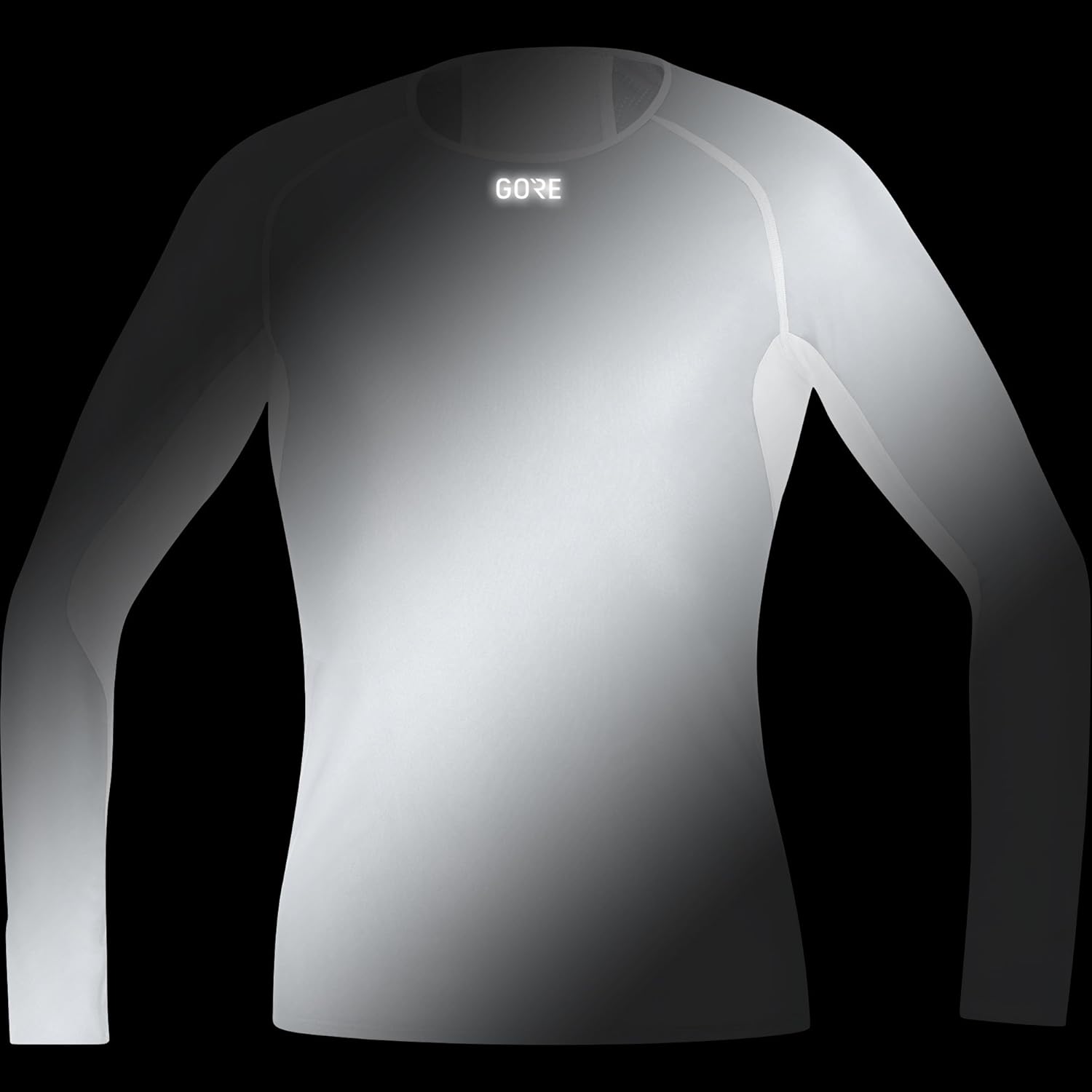
This image is property of Amazon.com.

Materials and Construction
What the shirt is made from matters because it shapes what you’ll feel on the ride, how it manages moisture, and how long it lasts. You want materials that are honest about function.
Fabric feel and weight
The fabric is light-to-medium weight with a soft, slightly brushed inner surface in parts and a smooth exterior where wind resistance is prioritized. It aims to give warmth without bulk. You should feel the difference between areas built for protection (less stretch, more windproofing) and areas built for movement (higher stretch and breathability).
Panels, seams, and durability
Paneling is purposeful: reinforced or wind-resistant fabric across the front and more breathable, stretch fabric under the arms and on the back. Seams are typically flat-stitched to reduce chafing. You should see durability at stress points (shoulders, cuffs). Over time, you’ll assess how well those seams hold up to repeated washing and abrasion.
Wind Resistance and Weather Performance
For many buyers, the main promise is wind protection. You want to keep your core warm without overheating.
Windproof performance
The shirt’s front panels are designed to block wind and protect your chest. On colder mornings, that can make a big difference in comfort, slowing the rate at which you lose heat. You should note, however, that windproof does not mean impervious; at higher speeds or in driving rain, you’ll still feel some chill without additional layering.
Water resistance and wet-weather behavior
This is not a rain jacket. The shirt will resist light drizzle for a short time but won’t keep you dry in sustained rain. If you expect wet rides, you should pair it with a waterproof shell or choose something explicitly designed for rain.
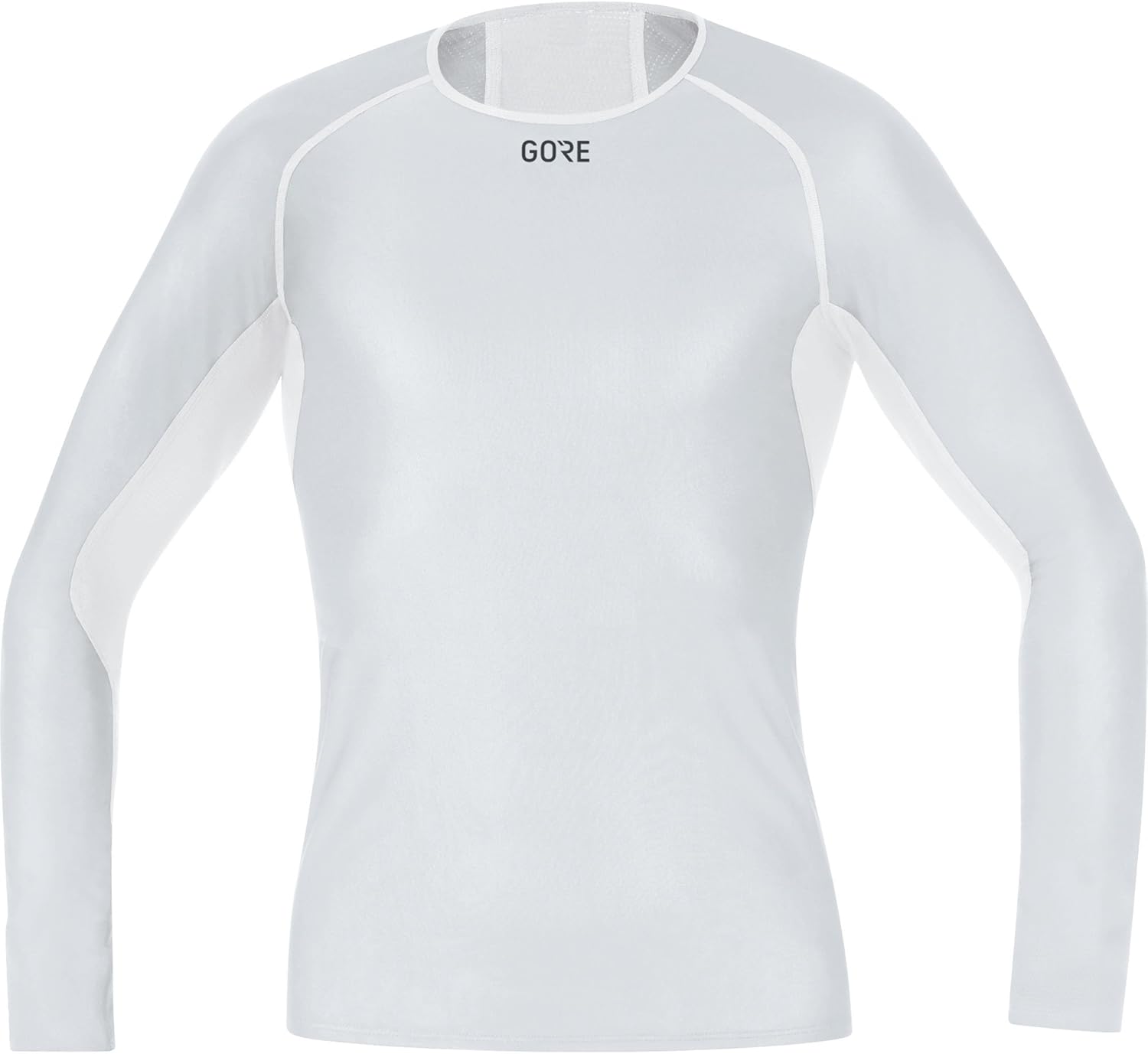
This image is property of Amazon.com.

Breathability and Moisture Management
Breathability determines whether you stay comfortable or feel clammy. You want fabric that moves sweat away from your skin and lets heat escape when you work harder.
How it handles sweat
The fabric pulls moisture away from your skin reasonably well, especially in the back panel where air can move more freely. When you push intensity, you should find that the shirt vents enough to keep you from overheating quickly, but if you’re doing long, hard efforts you’ll still need a way to dump heat — a zipper vent or open shell can help.
Odor, quick-drying, and maintenance
Materials like polyester blends tend to dry quickly and resist odor better than cotton. You’ll want to wash it regularly to avoid build-up, and you’ll appreciate how fast it dries if you need to pack it wet.
Comfort and Mobility
If you’re moving, comfort is not abstract. You should be able to reach, twist, and ride without feeling constricted.
Range of motion
The shirt’s stretch panels and articulated sleeves let your shoulders move freely. You should be able to ride with a more aggressive posture without fabric pulling across your back or under your arms.
Chafe and internal finishes
Flatlock seams and soft edges are there to prevent chafing. If you have sensitive skin, pay attention to cuff finishes and collar seams; these small details influence whether you notice the shirt when you’re tired.
This image is property of Amazon.com.

Features and Details
Small things matter: zippers, pockets, and reflective bits change how usable a garment is day-to-day.
Zipper, collar, and cuff treatments
Expect a front zipper long enough to offer venting but not so long it becomes a weak point. A zipper garage or soft chin guard is useful so the zipper doesn’t irritate your neck. Cuffs may be simple elastic or slightly fitted with a bit of stretch to stay in place without hugging too tight.
Pockets and storage
Many long-sleeve cycling shirts include a rear pocket or center-back pocket set; if present, they’re best for small essentials. You should prefer pockets that sit flat and don’t flap when you move or ride.
Reflective elements and safety
Look for subtle reflective piping or logos that increase visibility in low light. You’ll appreciate these features for early-morning commutes or twilight rides.
Style and Aesthetics
You’re not only buying function; you’re choosing how you show up. The shirt usually balances understated athleticism with usable design.
Colors and branding
Expect muted tones with small Gore branding. The aesthetic is generally restrained: you’ll get a piece that reads as purposeful rather than flashy.
How it looks off the bike
You can wear it as a casual outer layer on a cool day. Because the design is composed and tidy, it slips into urban wear without looking out of place.

This image is property of Amazon.com.
Durability and Longevity
You want this piece to last beyond a single season. Durability is where construction, material choice, and care intersect.
What to expect after months of use
Look for minimal pilling, consistent stretch, and seams that hold. The fabric should retain shape after washing if you follow care instructions. If you’re rough on gear, watch cuff ends and rear pocket seams first.
Washing and care recommendations
Wash on a gentle cycle with like colors, avoid fabric softeners that reduce moisture-wicking function, and tumble-dry low or hang to dry to protect elasticity. You should be mindful that heat and harsh detergents shorten active fabric life.
Layering and Temperature Range
You want to use the shirt across seasons. Layering strategy is how you manage that.
As a mid-layer
Over a lightweight base layer, it gives warmth and blocks wind without overheating. This arrangement works for cool rides and brisk commutes.
As an outer layer
On dry, cool days it can be an outer layer. In colder or wetter conditions, it functions better as part of a system: base layer + this shirt + a packable shell when necessary.

This image is property of Amazon.com.
Pros and Cons
You need clarity about where this shirt wins and where it compromises. Below are the main points to weigh.
Pros
- Clean, athletic fit that reduces drag and flapping.
- Targeted wind protection across the chest and torso.
- Breathable and stretchy panels for mobility.
- Practical design details like zipper venting and discreet reflective elements.
- Versatile aesthetic that works on and off the bike.
Cons
- Not a waterproof shell — limited use in sustained rain.
- Close fit may feel restrictive if you prefer looser clothing.
- Durability depends on washing care; aggressive tumbling can shorten life.
- Pockets, if minimal, may limit storage for longer rides.
Quick Specs and Performance Breakdown
You should appreciate a clear snapshot. The table below condenses expected features and how they perform in practical use.
| Feature | Expected behavior / performance | Why it matters to you |
|---|---|---|
| Fit | Athletic, close to body | Reduces flapping at speed; better for layering; may feel snug |
| Wind protection | Front panels block wind effectively | Keeps core warm on cool rides |
| Breathability | Moderate to good; better in back panels | Prevents overheating on sustained effort |
| Water resistance | Light drizzle only | Not suitable for prolonged rain without a shell |
| Stretch and mobility | High in sleeves and back | Allows full range of motion for cycling or active use |
| Pockets | Small/rear pockets (if present) | Good for small items; not for heavy loads |
| Visibility | Subtle reflective accents | Adds safety without loud styling |
| Durability | Good with proper care | Maintains fit and function over seasons if treated gently |

This image is property of Amazon.com.
Comparison with Alternatives
You should place this shirt in the context of other options: a technical jersey, a light shell, or a casual long-sleeve. That helps you choose what best matches your priorities.
Compared to a full softshell jacket
A softshell will provide more warmth and better water resistance but will be heavier and less breathable. You should choose this shirt when you want lighter weight and more breathability for active use.
Compared to a base layer plus thin windbreaker
The base-layer-plus-windbreaker combo offers modularity: you can shed layers quickly. The Gore shirt is simpler — fewer pieces — and thus quicker to don, but it offers less adaptability in rapidly changing weather.
Compared to casual long-sleeve shirts
Casual shirts prioritize comfort and silhouette over performance. You should choose the Gore shirt for performance needs; pick casual shirts for lounging and low-intensity days.
Practical Use Cases
Where will this shirt shine? You should match use cases to the garment’s strengths.
Commuting
On commuter rides in cool weather you’ll like how it blocks wind on the way to work and vents on the ride home. It’s low-profile enough to wear at a desk for a few minutes if needed.
Road cycling and training rides
For regular training in autumn or spring temperatures, it strikes a useful balance. You should pair it with a gilet or shell for variable conditions.
Mixed-sport and everyday wear
If you run errands, walk the dog, or need a reliable layer for dogged days, it works. You’ll appreciate the simple, functional look.
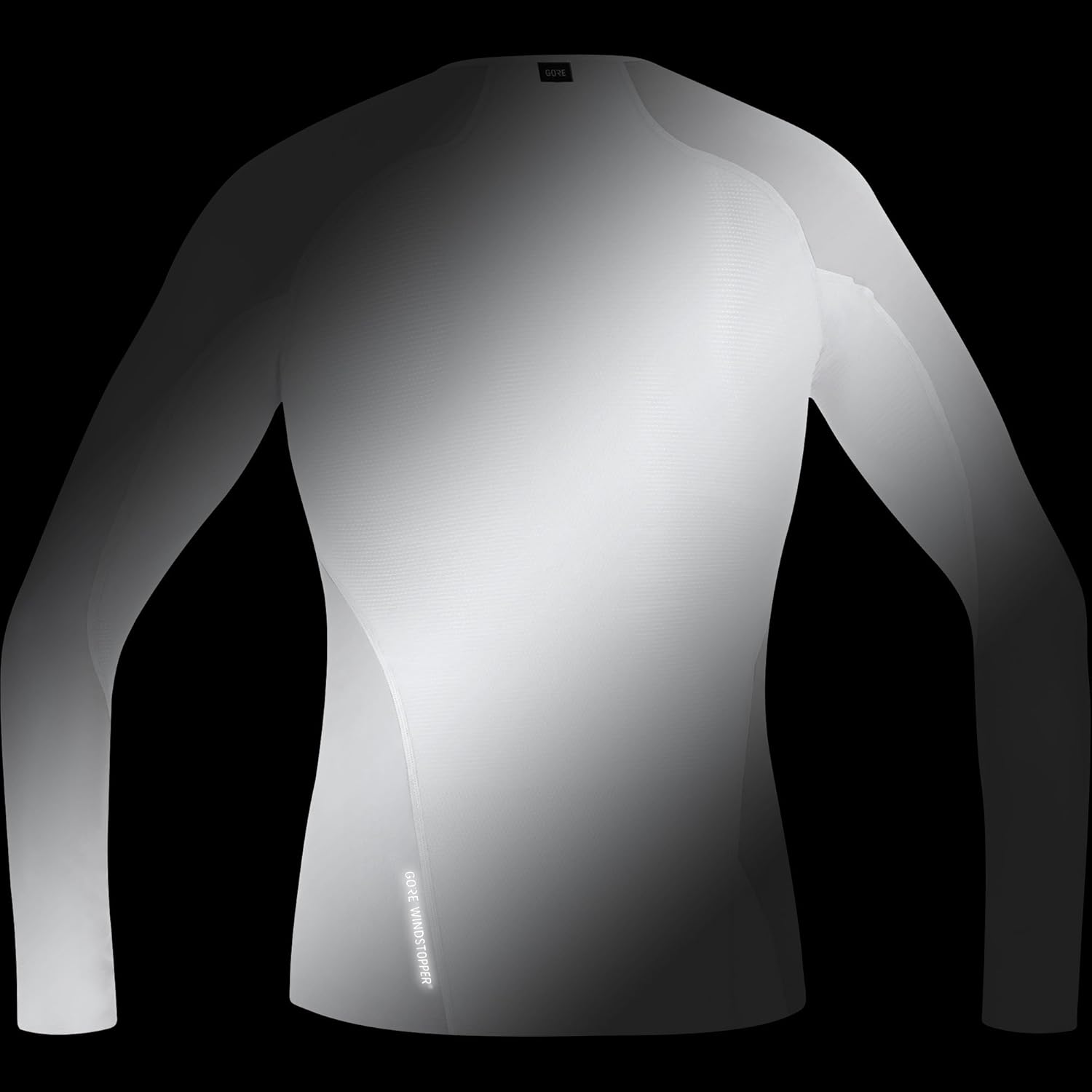
This image is property of Amazon.com.
Styling Tips
You want to look intentional without fuss. The shirt can be cleanly integrated into casual outfits.
Off the bike styling
Pair it with jeans or chinos and a light jacket for a minimal, tidy look. The shirt’s slim silhouette layers well under casual coats without bulk.
Color and accessory pairing
Neutral colors pair with bright accessories (helmet, shoes) if you ride. If you prefer low-key style, stick to tonal combinations and let the garment do the practical work.
Price and Value
You should weigh cost against how often you’ll use it and how critical its performance is to your comfort.
Is it worth the price?
If you ride frequently in cool conditions and value a purposeful, technical piece, it’s a good investment. For rare use, a cheaper layer might suffice until you commit to more riding.
How to get more value
Treat it well: follow care instructions, use it for the activities it is designed for, and avoid subjecting it to abrasive use that wears fabric faster.
Care, Repair, and Maintenance
You should treat technical garments with a little attention to preserve functionality.
Washing routine
Machine wash gentle cycle, cold water, mild detergent; avoid fabric softeners. Hang dry or tumble on low; high heat degrades stretch and breathability.
Minor repairs and seam care
Small snags can be trimmed; seam reinforcement is often possible at a tailor. Attend to any pilling with a fabric comb and keep zippers clean to avoid snags.
Longevity and Sustainability Considerations
You should think beyond seasonality: how long will it serve you and what happens afterward?
Expected lifespan
With regular use and proper care, you could expect multiple seasons before major wear shows. High-use riders might see earlier degradation in high-stress areas.
End-of-life options
If you replace it, consider passing it on for casual wear or recycling programs where available. Keeping it longer through repair is the most sustainable choice.
Who Should Buy This Shirt
Clarity helps. You should consider buying this if these statements match you.
- You ride regularly in cool, dry, or mildly wet conditions.
- You value a slim, performance-oriented fit.
- You want a technical garment that also reads well off the bike.
- You’re willing to care for technical fabrics to preserve function.
Who Should Look Elsewhere
You should look elsewhere if these apply:
- You prefer loose, relaxed clothing at all times.
- You need a full waterproof solution for heavy rain.
- You want heavy insulation for sub-freezing temperatures without layering.
Final Verdict
You want practical answers: is it worth buying? The Gore Men’s M Gws Bl Long Sleeve Shirt is a sensible, well-considered piece that does what it promises: moderates wind chill, manages moisture, and supports athletic movement without ostentation. It’s not miraculous; it won’t replace a proper shell in downpour or a thermal jacket in deep cold. But as a versatile layer for commuting, season-transitional rides, and general active life, it’s reliable and unobtrusive in a way that matters. If you prioritize performance yet want something understated and functional, you should give it serious consideration.
Frequently Asked Questions
You may still have small practical questions. Here are answers to common ones.
Can you wear it in heavy rain?
No. It can handle light drizzle for a short time, but sustained rain needs a waterproof shell.
Is it machine washable?
Yes, but use a gentle cycle, cold water, and avoid fabric softener. Hang dry or tumble low to preserve elasticity.
Can it be layered under a jacket?
Yes. It’s slim enough to fit under a shell or coat and will serve as a warm, wind-blocking mid-layer.
How does sizing run?
Sizing leans athletic. If you prefer room to layer or looser movement, consider sizing up.
If you’d like, you can tell me your height, weight, usual cycling size, and typical conditions you ride in, and I’ll help you choose the best size and layering strategy for the Gore Men’s M Gws Bl Long Sleeve Shirt.

Disclosure: As an Amazon Associate, I earn from qualifying purchases.
Discover more from Fitness For Life Company
Subscribe to get the latest posts sent to your email.