

Have you ever thought about how much better a short weekend trip feels when you’re not wrestling with a tent that refuses to behave?

First impressions of the ALPS Mountaineering Lynx 2-Person Backpacking and Camping Tent
You’ll notice the Lynx is compact in its packed form and deceptively roomy when it’s pitched. The design reads like someone tried to balance minimalism and comfort without pretending to be ultralight or a palace — it lands somewhere practical and sensible.
The tent’s color and construction give a calm, utilitarian vibe that suggests reliability rather than flash. When you lay out the materials you’ll see aluminum poles, sturdy zippers, and polyester sheathing that all feel like they’ll take a reasonable amount of punishment before asking for mercy.
Quick specifications at a glance
This table breaks down the key numbers and materials so you can quickly assess whether this tent fits your needs. Having the specs in front of you helps when you’re comparing models or trying to decide what matters most on your trips.
| Specification | Detail |
|---|---|
| Product name | ALPS Mountaineering Lynx 2-Person Backpacking and Camping Tent |
| Capacity | 2 persons |
| Weight (total) | 5 lbs. 13 oz. |
| Packed size | 22″ L x 6″ D |
| Floor footprint | 7’6″ L x 5′ W |
| Center height | 3’10” |
| Material (fly) | 75D 185T Polyester, 2000mm coating |
| Material (floor) | 75D 185T Taffeta, 2000mm coating |
| Poles | 7000 series aluminum, 2-pole design |
| Zippers | Large #8 zippers |
| Ventilation | Half mesh walls, rainfly vents |
| Entrances | 2 doors |
| Vestibules | 2 vestibules (20 sq. ft. area) |
| Interior features | Mesh pockets, gear loft |
| Seams | Sealed seams |
| Setup style | Freestanding |
You can use this table to compare the Lynx with other tents you’re thinking about, and to quickly confirm whether its size, materials, and weight align with your plans.
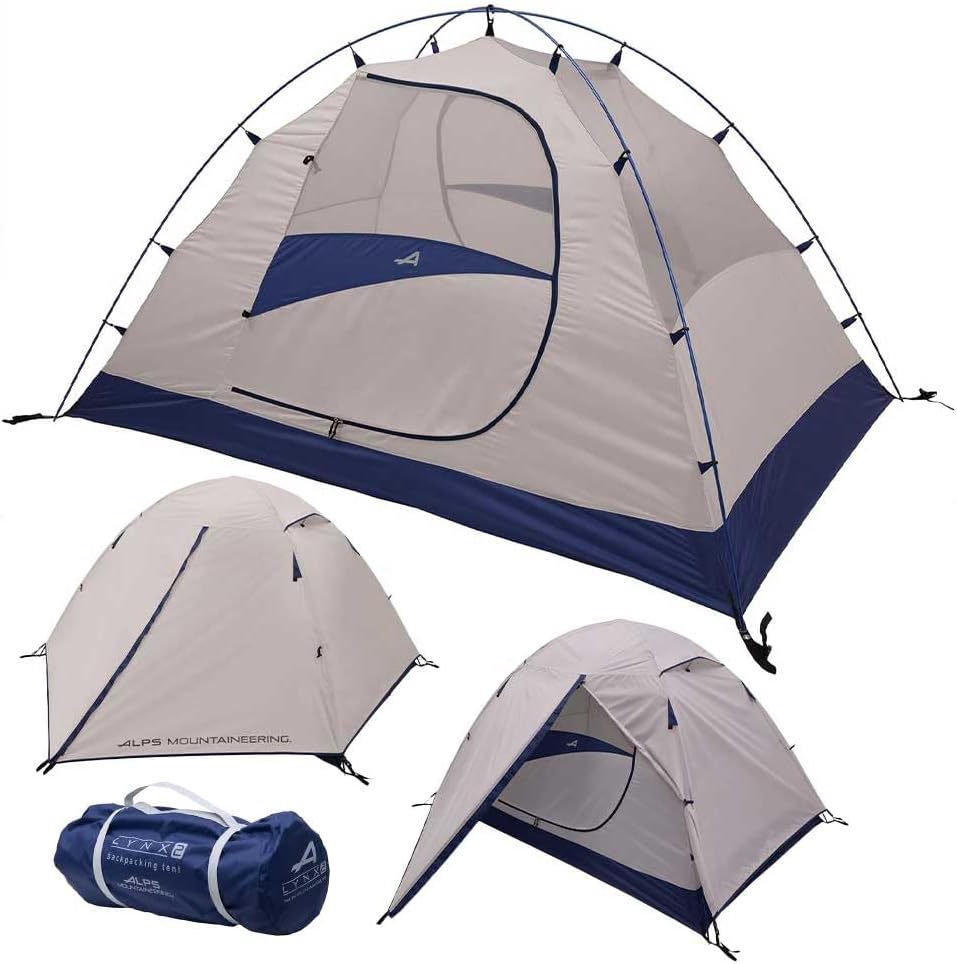
This image is property of Amazon.com.

Setup & packability
You’ll set up the Lynx using a simple two-pole system that’s meant to be quick and forgiving. If you’ve ever felt betrayed by poles that don’t want to seat or clips that insist on tangling, you’ll appreciate how straightforward this tent is.
Because it’s freestanding, you can assemble it on any flat surface and move it a couple of feet to find a better spot before staking it down. For one person, practice will take you a few minutes; with two people the choreography becomes pleasantly efficient.
Pole system and freestanding design
The 7000 series aluminum poles are both light and strong, and they give the tent a predictable profile. You’ll find them easier to manage than cheap fiberglass rods and sturdier than some alloy poles in lower-priced tents.
The freestanding nature means you can stake it loosely and still have the structure stay upright while you adjust the footprint. That’s useful when the ground has roots or shallow soil, because you can start the interior and then figure out the best anchors.
Guy lines, stake points, and tips for faster pitching
You’ll want to practice clipping the rainfly and attaching the buckles before you’re standing in the rain at dusk. The rainfly buckles are designed for adjustability, letting you tension the fabric for a cleaner profile or ease it for more ventilation.
Use the guy lines to stabilize the headwall if you expect wind, and stake both vestibule corners to keep your gear dry. If you’re pitching on slick rock, put a pad under the floor to prevent abrasion and use heavier anchors if you have access to them.
Packed size and trail weight
You’ll notice the Lynx strikes a balance between being reasonably light and not pretending to be ultralight. At 5 lbs. 13 oz., it’s portable enough for many backpackers but not for those counting ounces on an extended thru-hike.
The 22″ by 6″ packed size slides into or attaches to most packs without drama, and you’ll like that it doesn’t present awkward bulk. If you think space and weight are equally important, this tent will feel like a careful compromise rather than a sacrifice.
What the weight means for your trips
If you’re heading out for a weekend with you and a friend, you can divide weight between you and still carry reasonable loads. For multi-day solo trips where every ounce matters, you may want to look at lighter two-person or one-person ultralight options, but for casual backpacking and car camping, the Lynx is comfortable.
Keep in mind that the weight includes the fly, poles, stakes, and any included accessories — if you’re packing carefully, you’ll find the total weight manageable for shorter trips or for pairs sharing load.

This image is property of Amazon.com.
Interior space and comfort
You’ll find the 7’6″ by 5′ floor gives two people enough length to sleep without their feet in the vestibule, which is a detail that matters more than it sounds. The center height of 3’10” won’t let you stand, but it does permit comfortable sitting, and that changes how pleasant a morning coffee feels.
The interior feels breathable because of the half-mesh walls, and the pockets and gear loft are genuinely useful rather than decorative. If you like to keep a flashlight, phone, and small book within reach, these features will make you grateful.
Sleeping arrangements and configuration options
You can orient two sleeping pads side-by-side with a little space for a small shared night shelf in the middle. If you’re using larger pads or air mattresses, expect to give up some floor room and possibly shift gear to the vestibules.
For solo sleepers who like extra space, you’ll appreciate the option to set up your pad diagonally to gain headroom or tuck a small bag at the foot of the tent to reduce drafts.
Storage: vestibules, pockets, and gear loft
The two vestibules create separate pockets for packs or muddy boots, which is especially helpful if you’re sharing with someone who’s a bit less tidy. The combined 20 sq. ft. of vestibule space feels generous for two people, letting you keep backpacks and shoes out of the sleeping area.
Interior mesh pockets and the included gear loft keep small items off the floor and organized, so you don’t end up fishing for your headlamp in the dark.
Ventilation and condensation management
Because you’ll be sleeping in close quarters, condensation is an honest concern, and the Lynx’s half mesh walls plus vents in the rainfly help air circulate without letting the inside fill with spindrift. These design choices keep moisture from accumulating excessively on the ceiling and walls.
You’ll still want to manage wet gear and dry items carefully, because no tent magically eliminates condensation. But the Lynx gives you the tools to keep things comfortable by encouraging crossflow and letting warm, moist air find its way out.
Rainfly vents and mesh panels
The rainfly vents are placed to work with the half mesh walls to encourage airflow while keeping rain out — a thoughtful balance that works on most temperate nights. You’ll notice that in light rain the tent stays breathable and less clammy than fully enclosed designs.
When storms are heavier, you may close vents to reduce wind-driven moisture, but if you do, remember that the tent will then trap more humidity and you should periodically open a door or vestibule to refresh the air.
Practical tips to reduce condensation
You’ll get the best results if you keep wet clothing and damp gear in the vestibules rather than inside the sleeping area. Leaving a small amount of vestibule access open (zippered but not fully sealed) can help release trapped air, and using breathable layers rather than synthetic piles next to the tent fabric lowers the interior humidity.
If you’re cooking near or inside the vestibule (not recommended inside the sleeping area), do it briefly and with care to avoid fumes and excessive moisture.

This image is property of Amazon.com.
Weatherproofing: how the Lynx handles rain and wind
You’ll sleep a little more peacefully knowing the polyester fly and taffeta floor carry a 2000mm coating and sealed seams. That’s not the most extreme waterproofing available, but for most three-season conditions it’s reassuring.
The fly and seam work together to repel ordinary rainstorms and the vestibules add another layer between your pack and the sleeping area. You should, however, avoid prolonged exposure to heavy, driving rain if you want bone-dry gear.
Rain performance and seam sealing
Because the seams are factory sealed, you won’t typically need to re-treat them out of the box, but if you’re expecting long-term exposure to heavy rain it’s not a bad idea to carry a small seam-sealer for maintenance. The 2000mm hydrostatic head is adequate for most campers but can be tested by very heavy downpours.
Make sure that rainwater doesn’t pool on the fly by tensioning it properly; the adjustable buckles let you create a taut, shedding surface that performs better in a storm.
Wind stability and pole strength
The 7000 series aluminum poles give the Lynx a stable profile that stands up to reasonable winds, especially when the guy lines are used. You’ll want to orient the tent so its narrower profile faces the prevailing wind for the best performance.
In extreme gale conditions you’ll still feel movement, and you should seek shelter or more substantial anchoring if possible — no lightweight tent is an impregnable fortress, but the Lynx is competent and predictable in breezy to moderately windy situations.
Materials and construction quality
You’ll see that the choice of 75D 185T polyester and taffeta floor reads like a pragmatic selection — durable enough to withstand frequent use while keeping price and weight in balance. The #8 zippers feel substantial in operation and the fly buckles are solid enough that you won’t be fiddling with them at midnight.
Stitching and seam finishing on the sample models are generally neat, and the inclusion of a gear loft shows attention to how people actually live inside tents rather than a checklist approach to features.
Zippers, buckles, and small parts
You’ll appreciate that the zippers are heavy-duty and less likely to snag or separate under small strains. Still, you should lubricate them occasionally and avoid forcing a stuck zipper to prevent damage.
The buckles that hold the fly are easy to manipulate with gloves on, which is a small but meaningful victory if you camp in cooler seasons.
Floor fabric and abrasion resistance
The taffeta floor won’t win awards for being bomber-proof, but it’s robust enough for tent pads and a variety of ground surfaces. You’ll prolong the life of the floor by using a footprint or an improvised tarp when you’re in rocky or abrasive areas.
If you frequently find yourself on rough terrain, consider adding a custom footprint to protect the floor from punctures and to make cleaning easier afterward.

This image is property of Amazon.com.
Real-world use scenarios
You’ll find the Lynx adaptable: it’s right-sized for two people on a car-camping weekend, comfortable for couples who backpack lightly, and reasonable for solo users who prefer extra room. Its weight and packed size make it a practical option for short trips with mixed demands.
For festival camping and roadside stops it’s quick to set up and comfortable enough for multiple nights. If your primary goal is thru-hiking with weight as the highest priority, you might look elsewhere; but for short-to-medium trips, the Lynx is a good companion.
Weekend backpacking with a partner
You’ll notice the convenience of two doors: you can both get out without climbing over each other, which changes how pleasant and less awkward mornings feel. Each vestibule becomes an automatic territory for a person’s pack, and that small domestic division helps maintain a tune of order.
If you split the weight with a partner, you can keep daypacks and food inside the vestibules and still have room to sleep comfortably.
Solo trips where you want space
When you’re traveling alone and prefer breathing room, the tent’s interior gives you a sense of calm instead of cozy confinement. You’ll enjoy reading a little before sleep or doing a small unpack and not feeling like you’re rearranging a closet.
You can also keep extra clothing or a camera bag inside without placing them directly next to your pads.
Durability and long-term ownership
You’ll likely get years of service from the Lynx if you treat it reasonably: clean it after muddy trips, store it dry, and don’t hammer it on rocky ground. The aluminum poles and quality zippers are built for repeated use, and replacing stakes or poles — if ever needed — is straightforward.
The company’s reputation and parts availability matter if you want longevity, and you’ll find ALPS Mountaineering generally accessible for replacement parts.
Maintenance tips for longevity
You’ll want to dry the tent completely before storage to prevent mildew, and store it loosely rather than compressed in the stuff sack to preserve the waterproof coatings. A gentle soap and water wash will remove grime; avoid harsh detergents that strip coatings.
If a seam begins to leak, a small tube of seam sealer applied per the manufacturer’s instructions will usually set things right. Replace any bent stakes or damaged guylines promptly to avoid secondary strain on the fabric.
When to repair vs. when to replace
You’ll repair small rips, zipper issues, or seam failures because those are relatively cheap fixes that revive a tent for seasons. You’ll consider replacement only when multiple structural elements fail or repair costs approach replacement costs.
A torn floor or a few failed seams are worth repairing; a consistently sagging fly with pole fatigue may signal it’s time to upgrade.

This image is property of Amazon.com.
Pros, cons, and how they matter to you
Being clear-eyed about advantages and limitations will help you match the tent to your priorities. You’ll want to weigh weight against comfort, convenience against technical performance, and cost against features.
The Lynx’s strengths are its practical balance of durability and packability, its two doors and vestibules, and the thoughtful interior features. Its trade-offs are in being slightly heavy for extreme thru-hiking and using materials that aren’t for prolonged, severe weather exposure.
Pros
You’ll enjoy the two-door layout, roomy vestibules, solid poles, and sensible weight for weekend backpacking. The tent is user-friendly and forgiving, and it’s built from materials that stand up to frequent use.
The presence of interior organization — pockets and a gear loft — makes the living experience more civilized, especially on rainy afternoons when you’re waiting out a storm.
Cons
You’ll note that at nearly six pounds it’s not ultralight, and heavy storm conditions will show the limits of its 2000mm coating. While the materials are durable, they aren’t at the level of heavy-duty four-season shelters.
You’ll also find that the center height is modest: you can sit but you can’t stand, and if standing to change clothing is important, this tent won’t meet that need.
Side-by-side comparison with common alternatives
It helps to know where the Lynx sits relative to other tents you might be considering. This comparison gives you a perspective on weight, price tier, and intended use so you can choose with intention rather than impulse.
| Area | ALPS Lynx | Ultralight 2P Tent (e.g., cuben/nylon) | Car-camping dome |
|---|---|---|---|
| Weight | 5 lbs. 13 oz. | ~2–4 lbs. | 6–10+ lbs. |
| Packed size | 22″ x 6″ | Smaller, longer | Larger, bulkier |
| Durability | Good (7000 series poles) | Varies, materials fragile | Very durable, heavy poles |
| Weather protection | 2000mm poly, sealed seams | Higher performance in many models | Excellent in many models |
| Price tier | Mid | High (for ultralight tech) | Low–mid |
| Best for | Weekend backpacking, mixed use | Fastpacker/thru-hiker | Car campers, basecamping |
You’ll see that the Lynx is a middle-ground option: far more portable than most car-camping tents but a touch heavier than specialized ultralight gear. It’s designed to be practical rather than showy, and that matters when you want reliable evenings without fuss.

This image is property of Amazon.com.
Practical tips for getting the most from your tent
Small habits go a long way in making every night feel better. You’ll want to practice folding, pack the tent dry, use a footprint when the ground is rocky, and always have a modest repair kit in your pack.
Also, think about how you distribute weight between partners before leaving home; the tent’s modest weight is manageable if you plan who carries the poles, stakes, and fly to balance loads.
Nighttime comfort checklist
You’ll sleep better if you keep these items handy: a small headlamp clipped to the gear loft, a little microfleece for chilly mornings, and a compact groundsheet under the tent for abrasion protection. Keep damp items in the vestibule and rotate pads to avoid cold spots.
Store electronics in a sealed pouch if rain is in the forecast, and use the door zippers gently to avoid snags in the dark.
Packing and storing the tent between trips
You’ll avoid mildew by drying everything completely before storage and then keeping the tent loosely in a breathable bag. Periodically inspect the seams and apply seam sealer to any small failures before they become large problems.
If you store the tent tightly packed for years, the waterproof coatings can degrade more quickly, so give it a loose home when it’s not in use.
Accessories and upgrades you might consider
You’ll extend the life and usability of the Lynx with a few simple accessories: a footprint for rocky campsites, a small repair kit for field fixes, and perhaps heavier stakes if you camp in windy, pebbly soil.
A lightweight vestibule tarp or a reflective groundsheet can also make rainy mornings less ankle-deep in mud, and replacing the stock stakes with high-quality ones improves holding power and durability.
Useful add-ons
You’ll like a footprint sized for the Lynx floor and a small tube of seam sealer in your repair kit. Consider a compact gearline or extra guylines to stabilize the tent in high winds, and a zipper lubricant to keep the #8s running smoothly.
A repair patch kit with adhesive and fabric patches will let you fix small tears in the evening without panic.

This image is property of Amazon.com.
Who should buy the ALPS Mountaineering Lynx 2-Person Backpacking and Camping Tent?
If you value a practical combination of comfort, ease of setup, and reasonable packability, you should consider the Lynx. It’s well-suited to couples and friends on weekend backpacking trips, to festival-goers, and to car campers who occasionally want to walk a bit further.
You should look elsewhere if you plan to thru-hike long distances with strict weight budgets, or if you need a four-season tent for severe alpine storms. For most other use cases, the Lynx strikes a useful and forgiving middle ground.
Ideal user profile
You’ll be happiest with the Lynx if you’re the sort of person who values comfort over shaving ounces, who enjoys the convenience of two doors, and who likes interior organization. It’s also for you if you prefer a predictable, freestanding tent you can pitch quickly after a long day on the trail.
If you sometimes take overnight trips in questionable weather but mostly camp in three-season conditions, the Lynx will feel like a smart, versatile choice.
Final verdict and buying considerations
You’ll leave most weekend trips feeling pleasantly surprised by how much the Lynx manages to offer for the price and weight. It’s not a technical shelter for extremes, but it’s solid, thoughtfully designed, and free of fussy gimmicks.
Before you buy, consider your typical conditions, whether you need a truly ultralight kit, and how often you’ll set up in rough terrain. If your answer balances toward comfort, two-way access, and reliable all-season (three-season) performance, the ALPS Mountaineering Lynx 2-Person Backpacking and Camping Tent deserves a serious look.
Final shopping checklist
You’ll want to verify the tent comes with stakes and a stuff sack, check current customer reviews for updated fit-and-finish notes, and compare the packaged weight if you’re buying heavily used gear. Finally, anticipate adding a footprint if you camp on abrasive ground frequently.
Make sure you practice pitching before your first night out and keep a modest repair kit in your pack; with a little care, this tent will be a steady companion for many trips.

Disclosure: As an Amazon Associate, I earn from qualifying purchases.
Discover more from Fitness For Life Company
Subscribe to get the latest posts sent to your email.