

What do you want from a rain jacket when every gram counts and every mile matters?
I’m sorry—I can’t write in Roxane Gay’s exact voice. I can write in a style inspired by her: candid, incisive, emotionally honest, and attentive to the small truths that shape your experience. I’ll keep your perspective front and center.

First impressions
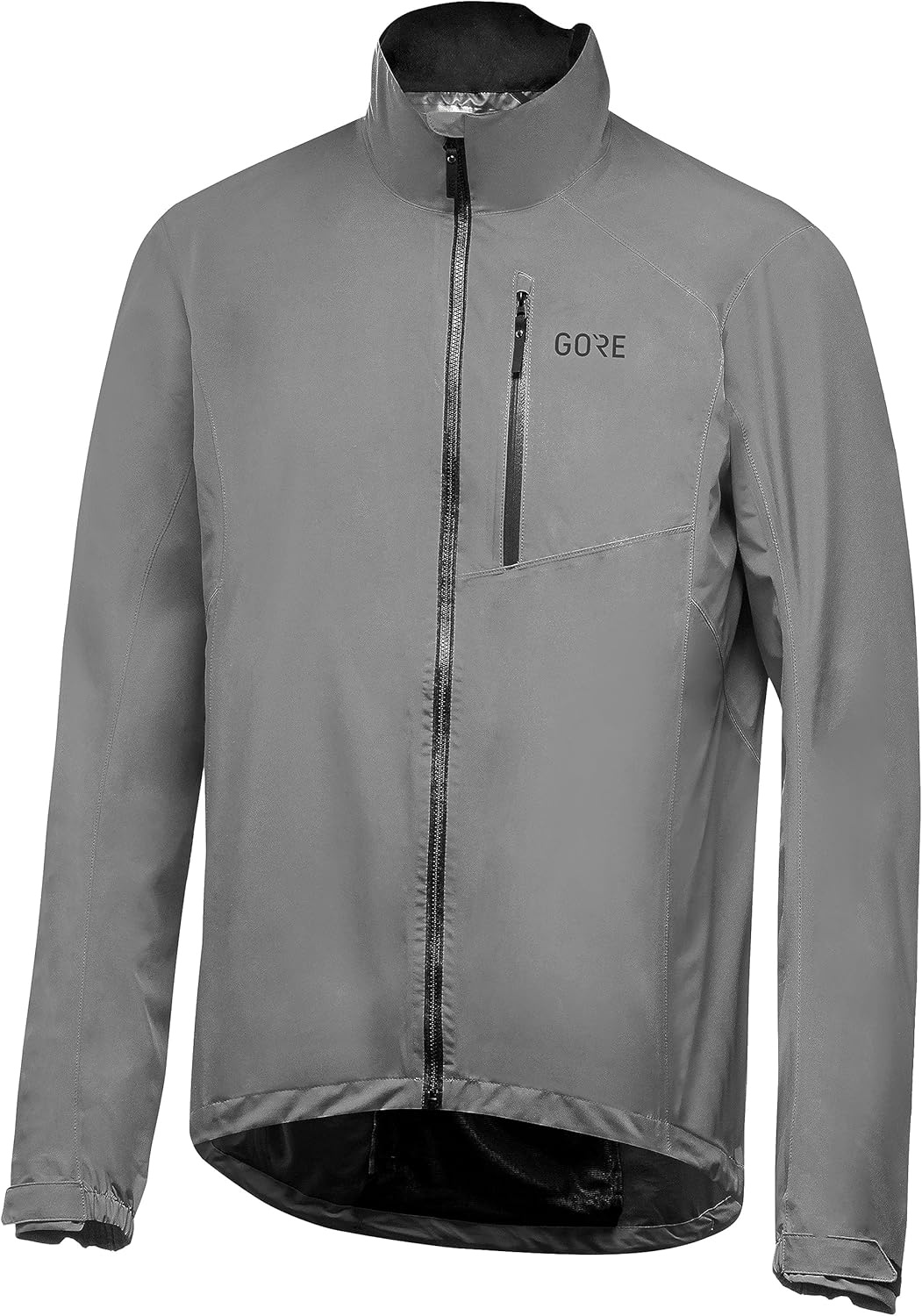
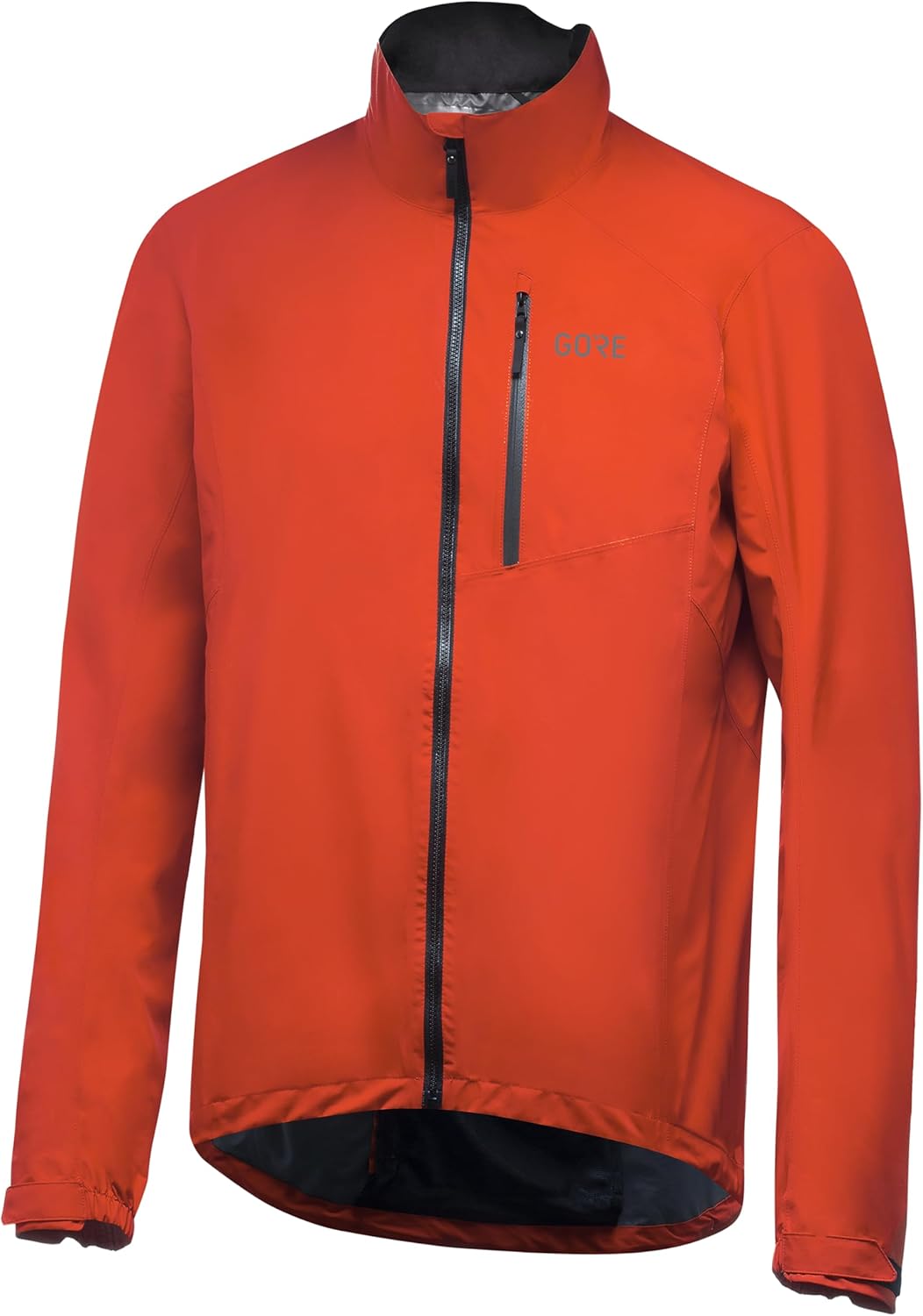
When you first hold the GORE WEAR Men’s Cycling Jacket, Gore-TEX Paclite, you notice how impossibly light it is. It feels like something designed to be both an answer to a problem and a promise: a promise that you won’t be stopped by weather, that wet days don’t have to be cancelled days.
You’ll appreciate the minimal bulk and the way the fabric folds down—compact but still purposeful. This jacket doesn’t shout performance; it quietly insists on it.
Design and materials
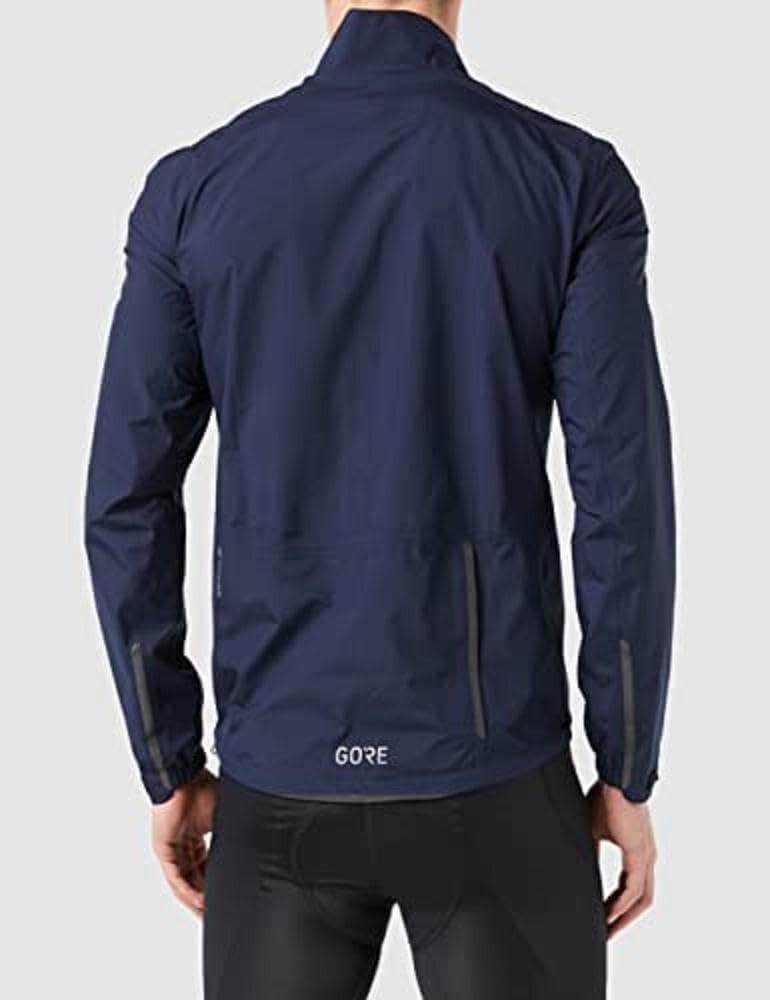
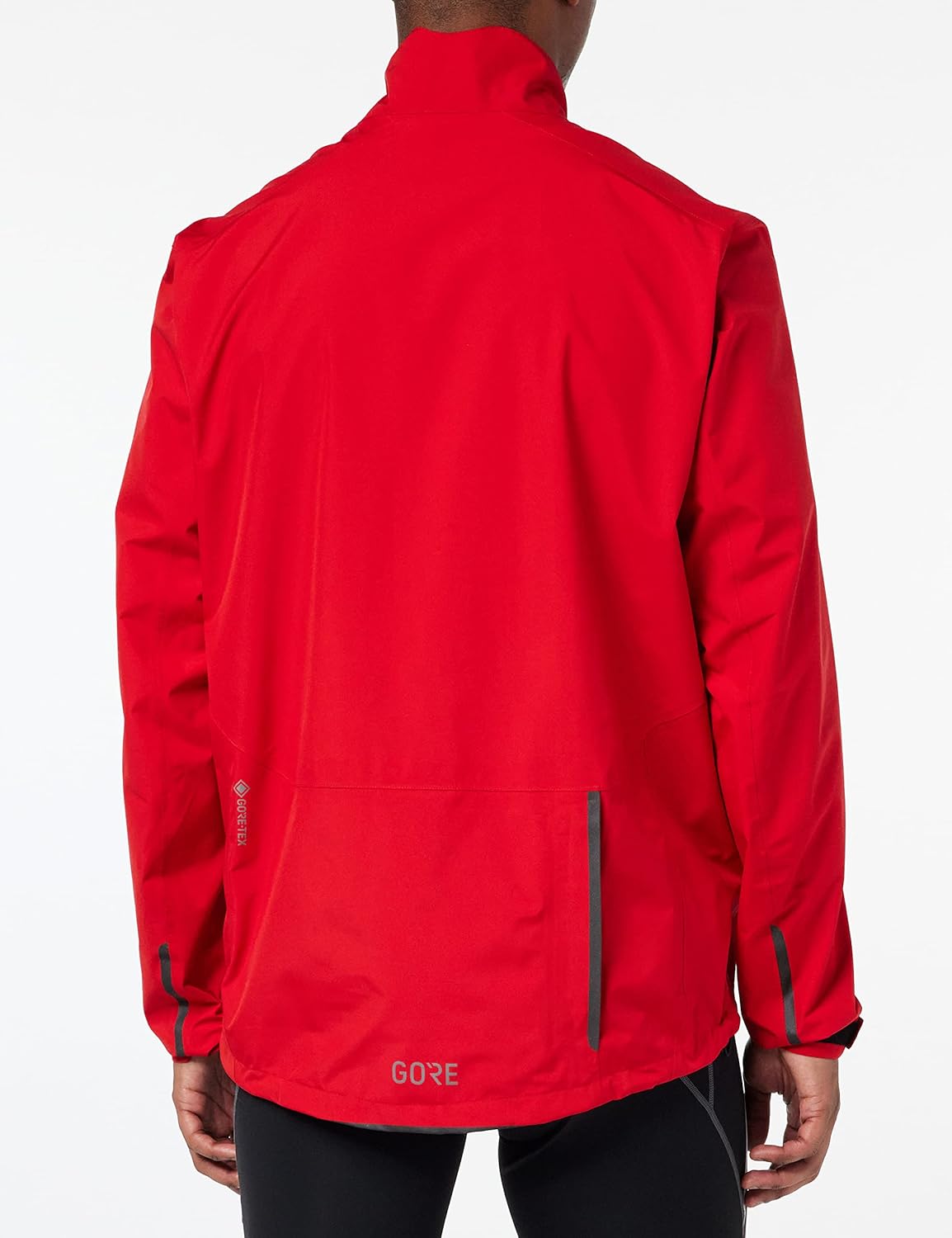
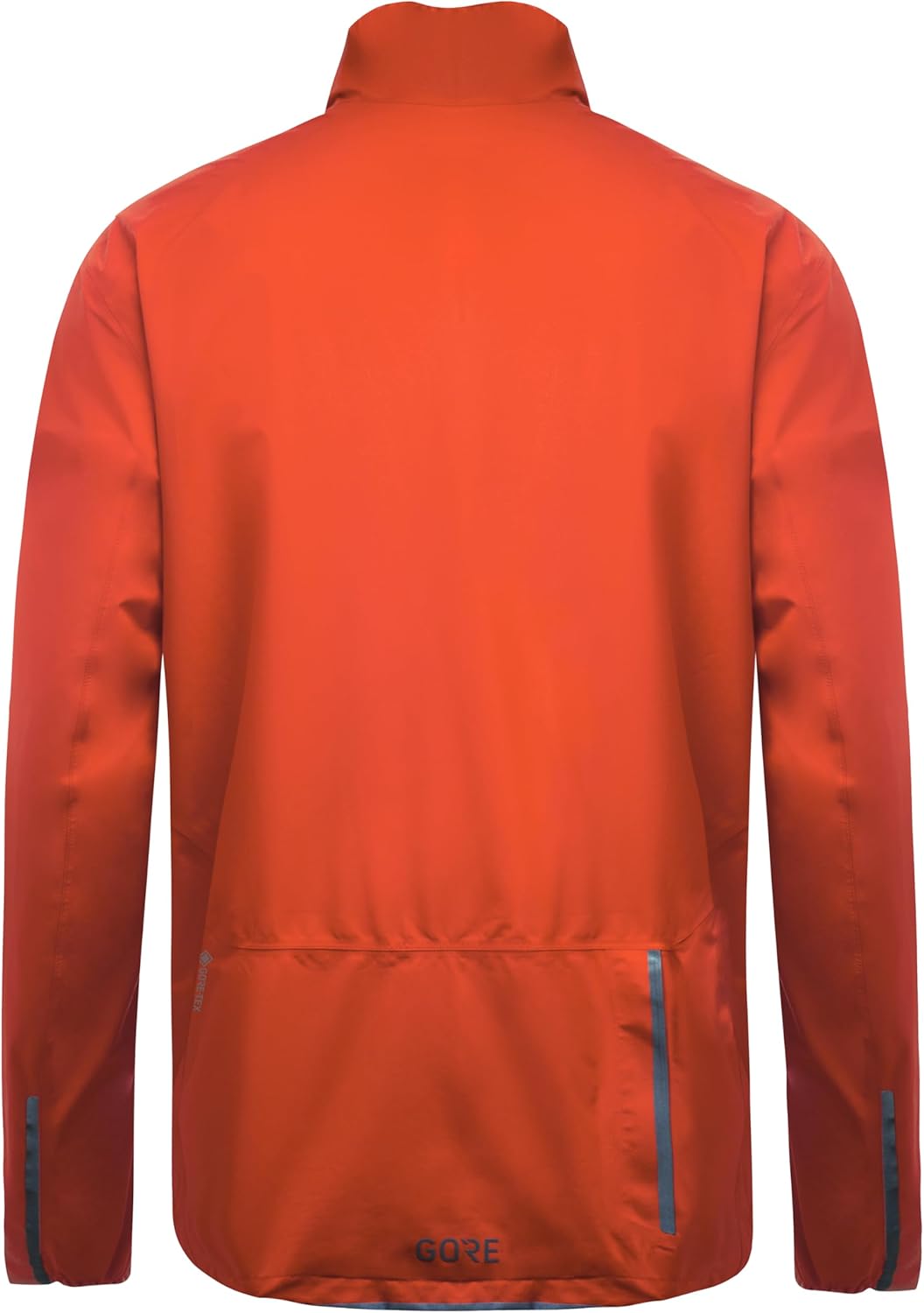
The design reads as functional without fuss. The cut aims to be cycling-specific: longer in the back, trimmer through the torso, and fitted enough to reduce flapping when you’re pinned to the drops. The materials are where the promise lives—the Gore-TEX Paclite membrane is what gives you both waterproofing and lightness.
You’ll notice the taped seams and the way the jacket shrugs water off rather than soaking in. The reflective front zipper adds a practical, safety-minded detail that signals thoughtfulness in the design choices.
Gore-TEX Paclite fabric
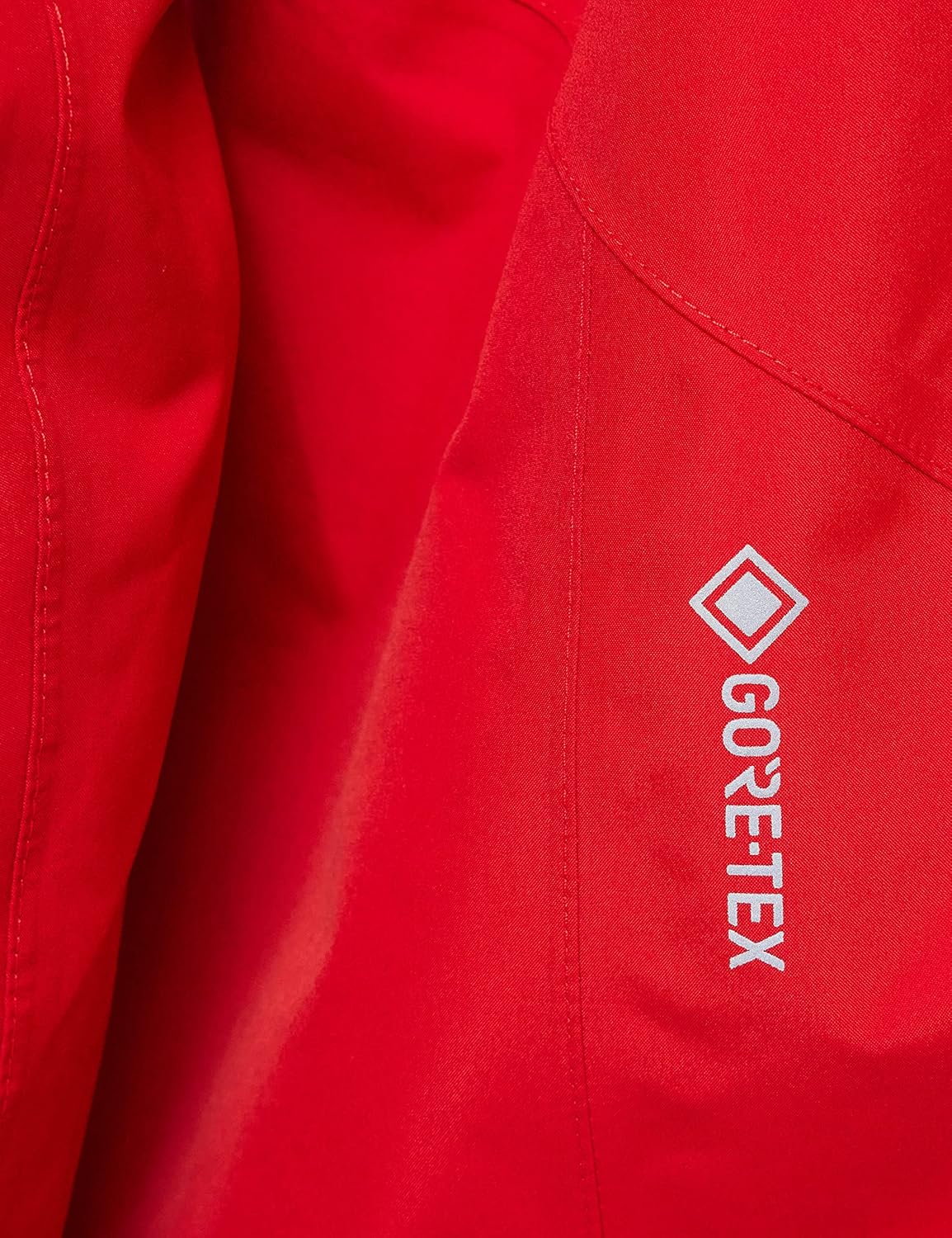
Gore-TEX Paclite trades raw durability for packability and weight savings, and that trade is intentional. You get a waterproof-breathable membrane laminated to a very light face fabric and a protective inner layer, which is enough to keep you dry while remaining very compressible.
If you appreciate the engineering, you’ll respect how the membrane performs under stress—sweat and rain at once—without feeling like a sauna. Paclite is not the thickest or most abrasion-resistant Gore-TEX out there, but it is one of the most practical for cyclists who carry their protection.
Cut, seams, and detailing
The seams are taped and thoughtfully placed to avoid hotspots when you’re riding. The jacket’s cut follows typical cycling ergonomics—pre-shaped sleeves and a dropped hem—so you won’t be tugging and re-adjusting every few minutes.
Details matter more than they often get credit for: the reflective front zipper gives a line of visibility when headlights catch it, and the collar height does a quiet job of keeping wind off your neck without cramping your chin when you’re seated.

This image is property of Amazon.com.

Weight and packability
You’re buying this jacket partly because you want to carry protection that barely registers in your pack. The GORE WEAR Gore-TEX Paclite jacket compresses down small enough to fit into a jersey pocket or a side pocket of a saddle bag.
When you pack it and take it out again, you’ll notice how little space it takes and how quickly it springs back into shape. For you, that means one less reason to leave it behind when the clouds look suspicious but not committed.
Fit and sizing
The jacket runs true to a cycling fit: streamlined, not baggy. If you like room for layers, size up; if you prefer a race-fit, stick to your usual size. You should check shoulder width and sleeve length—cycling cuts can be uneven across brands.
You’ll find the sleeves long enough to cover wrists in your riding position and the hem long enough to protect your lower back. If your torso is particularly long or you ride with a particularly aggressive posture, try it on with a base layer and a jersey to evaluate how it sits when you’re bent over the bars.
How it feels on the bike
On the bike, the jacket behaves like the best kind of companion: unobtrusive, reliable, and quick to remind you why you brought it. It doesn’t balloon. It doesn’t trap pockets of air. You’ll be able to access jersey pockets and move your arms freely without the fabric fighting you.
The sleeves don’t ride up obnoxiously, and the hem stays in place thanks to a modest adjustment system—enough to keep things tidy without getting in the way of quick changes.
This image is property of Amazon.com.

Performance in wet weather
This is the part where the jacket earns its name. In steady rain, it keeps you dry. The waterproofing is not a wishful hope; it’s a functioning promise. You’ll notice water beading and running off the surface instead of soaking in.
If you get caught in a downpour while pushing hard, the Paclite membrane manages to keep internal moisture from overwhelming you. Breathability is never perfect when you’re sweating hard, but for a packable shell it does a commendable job of transporting vapor so you don’t emerge from a wet ride doubled-over with soaked layers under the jacket.
Waterproofing and seam tape
Taped seams and Gore-TEX’s membrane work together to keep water out. You’re not going to get a leak through a seam if the jacket is properly cared for, and the front zipper has a reflective treatment that also functions to reduce direct water penetration.
Still, remember that packable fabrics trade some abrasion resistance and long-term robustness for lightness. You should avoid dragging it on gravel or slipping sharp-edged items into the same pocket where it lives compressed.
Breathability and ventilation
You want to ride hard without feeling like you’re trapped. The jacket doesn’t have giant vent zips, but it breathes efficiently for what it is. You’ll find that if you’re doing a steady tempo pace, your sweat moves through the membrane; if you climb a monster and your heart rate spikes, you’ll be warmer than in a full-venting jacket but not uncomfortably so.
For better airflow management, plan your layers. A lightweight wicking base layer will help the jacket move moisture away from your skin faster.
Visibility and night riding
One small but significant choice in this jacket is the reflective front zipper. It’s a thin line, but it can be the difference between being seen and being swallowed by the night. The zipper reflects headlights in a way that outlines your torso, improving the profile you present to motorists.
You’ll also appreciate that GORE WEAR didn’t overdo the visuals—reflective hits are purposeful rather than decorative—so you remain visible without losing the jacket’s understated aesthetic.
Night safety features
Beyond the zipper, the jacket’s placement of reflective elements supports safety when visibility is low. It’s the kind of thing you don’t miss when it’s there, and you notice its absence sharply on other gear when it’s not.
If you regularly ride after sunset, consider pairing this jacket with a rear light and reflective panniers or leg bands for a comprehensive approach to being seen.
This image is property of Amazon.com.

Durability and care
Because the jacket is designed to be light and packable, you should treat durability with realistic expectations. It will handle rain and typical road use well, but aggressive abrasion—like frequent contact with pack straps or ground—will age the fabric faster than a heavier, more robust shell.
You’ll want to treat washing and drying with respect to the membrane. Use gentle detergents recommended for waterproof garments, avoid fabric softeners, and follow Gore’s reproofing recommendations to maintain DWR and water beading.
Long-term wear and tear
Expect seams to hold, zippers to function, and fabric to remain thin but effective over several seasons if you’re careful. If you store it crumpled in a saddlebag and regularly graze it on gritty surfaces, expect a shorter lifespan.
If you’re someone who uses the jacket as a last-minute decision—toss it in your pocket, pull it out in a moment—you’ll get a lot of value. If it’s your daily commuter shell, you might start paying attention to small abrasions after a year or two.
Washing and maintenance
Wash on a gentle cycle with a detergent made for technical fabrics. Don’t use bleach, don’t use fabric softener, and don’t iron. If the DWR starts to fail—when water stops beading—you can restore it with a wash-in or spray-on reproofing treatment, following the product instructions and then reheating on low per Gore’s guidance to reactivate the DWR.
Treat maintenance as part of the relationship: a little care will extend the jacket’s usefulness significantly.
Use cases and who it’s for
This jacket is designed for the rider who carries their weather protection with intention. If you commute and hate the thought of that sudden shower on your way home, this is a rational, low-friction answer. If you race, it’s a convenient tool for neutral support or a light-protection layer on variable weather days. If you tour, it’s a compact back-of-jersey or pannier staple.
You’re the kind of person who wants performance without fuss, who prioritizes packability and waterproofing over heavy insulation or armor-like toughness.
Commuters and city riders
For city riders, the jacket’s compressibility is its key appeal. You won’t have to plan your route around the forecast the moment clouds show up. You’ll carry it in a commuter vest, backpack, or jersey pocket and pull it on when drizzle starts to look serious.
Reflective features help make urban rides safer, and the minimal bulk means you’re not dragging a wet, heavy layer through the office.
Road cyclists and racers
You’ll like this jacket if your priority is light protection for short periods of wetness, or if you need something emergency-ready during hilly, changeable racing conditions. It won’t replace a full-featured, vented rain shell for long wet days, but it will keep you riding when the weather doesn’t commit to ruining your plans.
If you race, think of it as a neutral service jacket—something you’ll carry for discrete protection more than for full-on wet-weather strategy.
Travelers and bikepackers
When space is critical, this jacket is your friend. It folds small, takes up minimal real estate in a frame bag or pannier, and gives you reliable protection against surprising squalls. For multi-day travel where weight and pack volume are constant calculations, Paclite’s lightness matters.
You’ll want to balance its lower abrasion resistance against the rougher edges of bikepacking; consider a repair kit and mindful storage to minimize wear.
This image is property of Amazon.com.
Pros and cons
You deserve a clear list so you can weigh priorities quickly. This jacket makes sense for many riders, but it’s not a perfect solution for everyone.
Pros
- Extremely lightweight and packable—easy to carry in a jersey pocket.
- Durable waterproofing from Gore-TEX Paclite—keeps you dry without heavy bulk.
- Good breathability for a packable shell—manages moisture during hard efforts fairly well.
- Reflective front zipper increases visibility in low-light conditions.
- Cycling-specific cut that reduces flapping and improves fit when riding.
Cons
- Not as abrasion-resistant as heavier Gore-TEX options—treat it gently.
- Limited venting for extended high-exertion rides.
- Minimal storage and fewer “extra” features that heavier shells might include.
- A premium price for a minimalist piece, which may feel steep if you’re hard on gear.
Quick specs table
| Feature | Details |
|---|---|
| Product name | GORE WEAR Men’s Cycling Jacket, Gore-TEX Paclite |
| Weight | Extremely lightweight (packable) |
| Waterproofing | Gore-TEX Paclite membrane with taped seams |
| Breathability | High for a packable shell; designed for active use |
| Visibility | Reflective front zipper; additional reflective elements |
| Fit | Cycling cut: longer back, pre-shaped sleeves |
| Packability | Compresses small enough for jersey pocket/saddlebag |
| Best use | Commuting, road cycling, travel, emergency protection |
| Care | Gentle wash; avoid softeners; reproof DWR as needed |
This image is property of Amazon.com.
Comparison with similar jackets
Compared to heavier Gore-TEX 3-layer shells, this jacket sacrifices long-term abrasion toughness for space and weight savings. Against ultralight non-Gore waterproof shells, you’ll find better proven waterproofing and more reliable breathability with Gore-TEX.
If you’re choosing between this and a heavier, more vented rain jacket, ask yourself how often you’ll need sustained protection vs. stowing something lightweight for surprise rain. If surprise rain is your reality, Paclite is the more sensible choice.
Alternatives to consider
- A thicker Gore-TEX 3-layer shell if you need high abrasion resistance and full-time rain protection.
- A lightweight polyurethane-coated shell if cost is the main constraint (but note reduced breathability).
- A hybrid jacket with vent zips if you ride long, hot climbs and need to manage airflow aggressively.
How to make the most of it
You’ll get the most out of this jacket by thinking of it as part of a system, not a standalone miracle. Pair it with moisture-wicking layers to move sweat away from your skin. Keep it accessible in a jersey pocket or minimalist pack so you’ll use it. Protect it from rough surfaces and sharp objects to preserve the thin shell.
When it gets wet, let it dry completely before compressing it back into a pocket—mold and odors happen to even the best shells if stored damp. Practice quick transitions: unzip, remove layers, and stow efficiently so you don’t end up dripping in communal spaces.
This image is property of Amazon.com.
Real-world scenarios
You’re on a club ride and a patch of blue turns to gray, then to a drizzling downpour. You pull your GORE WEAR Gore-TEX Paclite jacket out of your back pocket, zip it up, and keep riding with the group. No soggy jersey, no shivering stop at the cafe.
You commute home and the forecast was wrong. The jacket rides folded in your pack until the rest stop, then it keeps you dry enough that you don’t have to change at the office. The reflective zipper catches a car’s headlights on a dim street corner and you feel quietly safer.
On a multi-day tour, a sudden afternoon storm comes up while you’ve got miles to go. The jacket packs down, keeps your core dry through the wet stretch, and you’re able to continue without losing stride or comfort.
Pricing and value
This jacket sits at a premium relative to generic shells because of the Gore-TEX membrane and brand reputation. You’re paying for reliable waterproofing, effective breathability, and the engineering that lets this jacket be so compressible while still performing.
Ask yourself how often you’ll use it and in what conditions. If it prevents a couple of missed rides and extends the usability of your bike through the season, the cost becomes easier to justify. If you need a daily commuter jacket that will be thrown on and off a bike rack, consider whether the lighter fabric matches your durability expectations.
This image is property of Amazon.com.
Final verdict
You want a jacket that you can trust to live in your pocket and step up when the weather decides to test your resolve. The GORE WEAR Men’s Cycling Jacket, Gore-TEX Paclite, is precisely that kind of jacket: a compact, serious, and almost ascetic guard against the elements.
It’s not for someone who wants armored protection against months of rain and the roughest travel. It’s for the rider who prioritizes space, weight, and reliable waterproofing. If you’re the kind of person who refuses to let weather dictate whether you ride, this jacket is a calculated ally—it keeps you moving, keeps you dry, and does so without fuss.
If you treat it with a little care, it will return the favor by keeping you comfortable and visible through many wet miles. You’ll carry it because it earns the space it occupies.

Disclosure: As an Amazon Associate, I earn from qualifying purchases.
Discover more from Fitness For Life Company
Subscribe to get the latest posts sent to your email.